


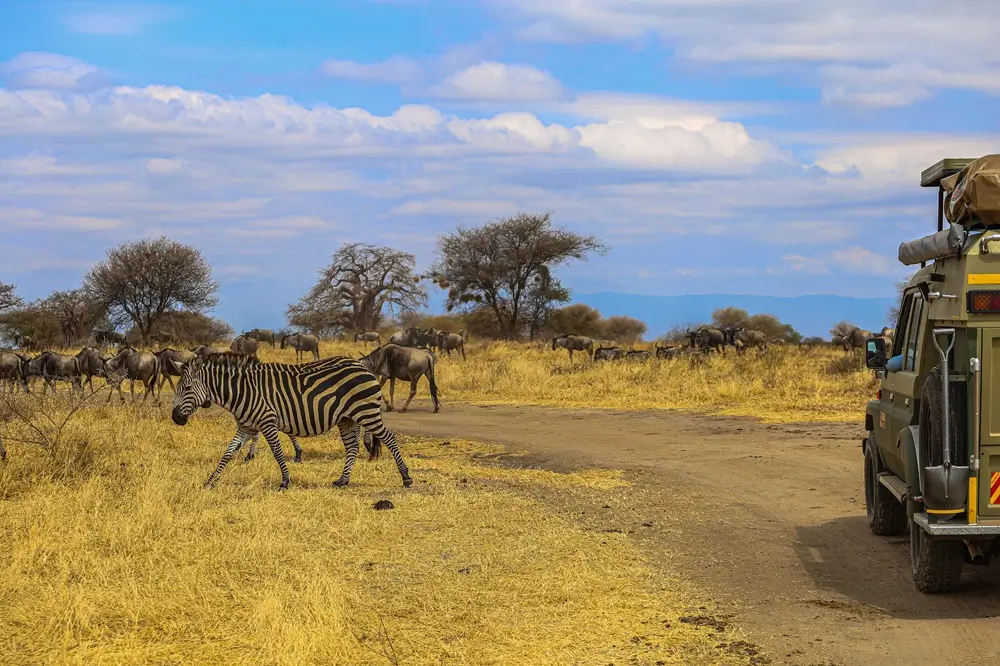
The best time to visit Masai Mara depends on what you want to see. Most travelers target July through October for the Great Migration river crossings. Safari Masters has run self-drive Masai Mara safaris for over 14 years. We know when each season delivers peak wildlife action.
This guide breaks down every month so you can pick dates that match your priorities. Weather, wildlife movements, and crowd levels all shift throughout the year.
Best Time to Visit Masai Mara – Quick Answer
July through October brings the Great Migration peak. River crossings happen frequently and wildlife density hits annual highs. This is also the busiest and most expensive period.
January through February offers excellent predator viewing with fewer crowds. June and November balance good weather with lower visitor numbers. April through May delivers the cheapest rates but heavy rainfall.
The best time to visit Masai Mara for most travelers falls between July and October. Budget-conscious visitors prefer March through May when prices drop significantly.
When Is the Great Migration in Masai Mara?
The Great Migration Masai Mara phase runs from July through October each year. Over two million wildebeest, zebras, and gazelles cross from Tanzania into Kenya during these months.
Mara River crossings peak in July and August. Exact timing depends on rainfall patterns in the Serengeti. Animals move north seeking fresh grazing as southern Tanzania dries out.
Crossings happen at specific points along the Mara River. Herds gather on riverbanks before plunging into crocodile-infested waters. This spectacle draws photographers and wildlife enthusiasts worldwide.
By November, most herds begin moving back south toward the Serengeti. The migration never stops. It cycles between Kenya and Tanzania following seasonal rains and grass growth.
Travelers asking about the best time to visit Masai Mara for migration should target August. This single month delivers the highest crossing frequency and wildlife density of the entire year.
Month-by-Month Guide to Masai Mara
January
January sits in the dry season with warm days and cool nights. Wildlife concentrates around rivers and permanent water sources. Big cats hunt actively as prey animals gather at predictable locations.
Crowds stay low compared to peak months. Prices remain reasonable after the December holiday surge. Grass stays short from months without rain. Game viewing reaches high quality without migration spectacle.
February
February delivers outstanding predator action. Lions, leopards, and cheetahs appear frequently. Grass stays short after months without rain. Visibility reaches annual peaks. This month suits photographers seeking clear shots without dense vegetation or crowds.
March
March marks the transition to long rains. Early weeks stay dry with good game viewing. Late March brings the first heavy showers. Prices begin dropping as tourism slows. Wildlife remains abundant but afternoon storms interrupt some drives.
April
April brings the heaviest rainfall of the year. Roads turn muddy and some tracks close temporarily. Tourism hits annual lows. Lodges slash rates dramatically.
The landscape transforms green and lush. Birdlife explodes with migratory species arriving. Only travelers comfortable with rain and flexible with plans should consider April as the best time to visit Masai Mara for their budget-focused trip.
May
May continues the rainy season but showers become less frequent. Green scenery looks stunning. Baby animals appear across multiple species. Prices stay low. Roads improve as rains ease. This suits budget travelers willing to accept occasional wet weather.
June
June launches the dry season and Great Migration buildup. Early herds arrive from Tanzania throughout the month. Weather improves steadily with clear skies returning.
Grass dries out and wildlife tracking becomes easier each week. Prices rise from May lows but stay below July peaks. This represents excellent value for quality game viewing. Many consider June the best time to visit Masai Mara for balancing wildlife action with reasonable costs.
July
July marks peak season arrival. The Great Migration floods into Masai Mara in massive numbers. First major Mara River crossings happen as herds push north.
Predators follow the herds closely. Lions, leopards, and cheetahs feast on vulnerable calves and weak animals. Safari vehicles multiply across the reserve as tourism surges.
Accommodation prices jump significantly. Book months ahead or risk sellouts at preferred lodges. Despite crowds, July wildlife viewing remains spectacular.
August
August delivers peak wildlife concentrations. River crossings occur almost daily at major points. This is the best time to visit Masai Mara for guaranteed migration spectacle. Crowds peak. Prices hit annual highs. Every lodge runs near capacity.
September
September maintains excellent wildlife viewing with slightly fewer crowds than August. Crossings continue at major Mara River points. Weather stays dry and pleasant throughout the month.
Photography conditions remain ideal with good light and active predators. This month balances peak wildlife action with marginally better availability and pricing than July-August. Safari Masters recommends September as the best time to visit Masai Mara for travelers who want migration spectacle without absolute peak crowds.
October
October sees migration herds beginning their return south. Early month still offers strong viewing with active crossings. Late October thins out as animals move back toward Tanzania.
Prices start dropping from peak levels. Crowds decrease noticeably. Weather stays dry and comfortable throughout. Travelers seeking the best time to visit Masai Mara with fewer safari vehicles often choose October.
November
November brings short rains. Showers fall intermittently but rarely last all day. Wildlife disperses more widely as water sources multiply across the reserve.
Resident game remains visible and active. Prices drop from peak-season levels significantly. This suits travelers seeking fewer vehicles and lower costs while accepting occasional rain. Some consider November the best time to visit Masai Mara for value-focused safaris outside migration months.
December
December splits between good early-month conditions and holiday crowds late month. Short rains taper off. Wildlife viewing stays solid. Christmas and New Year drive prices up. Early December offers better value than late month when holiday bookings surge.
Best Time to Visit Masai Mara by Travel Style
Luxury travelers should target July through October for premium migration experiences. High-end lodges operate at full capacity with exceptional service. Wildlife sightings reach annual peaks.
Budget travelers benefit most from April through May when rates drop 30 to 50 percent. Accommodations slash prices during rainy months. Trade wet weather for significant savings.
Photographers prefer January through February for clear light and minimal safari vehicle congestion. Short grass improves subject visibility. Predator action stays high without migration crowds.
First-time visitors find June or September ideal. These months balance strong wildlife viewing with manageable crowds and reasonable prices.
Self-drive travelers need dry-season roads. Safari Masters provides 4×4 rentals Kenya equipped for all Masai Mara conditions. June through October offers the easiest driving with minimal mud and reliable tracks.
Cheapest Time to Visit Masai Mara
April and May bring the lowest prices of the year. Lodges cut rates significantly during heavy rains. Safari vehicle availability improves. Park fees stay constant but accommodation costs plummet.
November also offers discounts compared to peak months. Short rains keep some travelers away but conditions remain better than April-May. This represents good value for balancing cost against weather.
Masai Mara Weather Overview
Masai Mara sits at 1,500 to 2,000 meters elevation. Temperatures stay moderate year-round. Daytime highs average 24 to 28 degrees Celsius. Nights cool down significantly, especially June through August.
Long rains fall March through May with April bringing peak precipitation. Short rains arrive November through early December but stay lighter than long rains. Dry seasons run January through February and June through October.
Rainfall varies yearly but patterns stay consistent. Weather plays a major role in determining the best time to visit Masai Mara for different travelers. Dry months suit most visitors while budget travelers accept wet conditions for lower costs.
Best Time to Visit Masai Mara – FAQs
What Is the Best Month to Visit Masai Mara?
August offers peak migration action with daily river crossings. Herds blanket the plains in every direction. However, crowds and prices also peak during this month.
September balances excellent wildlife with slightly fewer visitors. June provides strong value before peak season pricing kicks in. The single best time to visit Masai Mara depends on whether you prioritize migration spectacle, budget, or avoiding crowds.
Is Masai Mara Worth Visiting in April?
April suits budget travelers comfortable with rain. Wildlife remains present but roads turn challenging. Prices drop dramatically. Photography suffers from overcast skies. Most travelers should choose drier months unless budget is the priority.
When Is the Cheapest Time for Masai Mara Safari?
April and May deliver the lowest rates. November costs less than peak months but more than April-May. Savings range from 30 to 50 percent compared to July-August pricing.
What Is the Best Time to See Lions in Masai Mara?
January through February offers peak lion viewing. Short grass improves visibility. Predators concentrate around water sources. However, lions remain visible year-round in Masai Mara. Any month works for big cat sightings.
Is Masai Mara Good in December?
Early December stays excellent. Short rains ease and wildlife viewing remains strong. Late December sees holiday crowds and price increases. Book early December for better value. Avoid Christmas week unless willing to pay premium rates.
How Many Days Should I Spend in Masai Mara?
Three to four days allows thorough exploration. Safari Masters arranges self-drive Kenya itineraries from three to seven days. Longer stays increase river crossing chances during migration months.
Choosing the best time to visit Masai Mara shapes your entire safari experience. Safari Masters helps travelers plan timing, routes, and logistics for Masai Mara self-drive trips. We have guided thousands through Kenya for over 14 years. Contact us today to plan your perfect Masai Mara timing.