


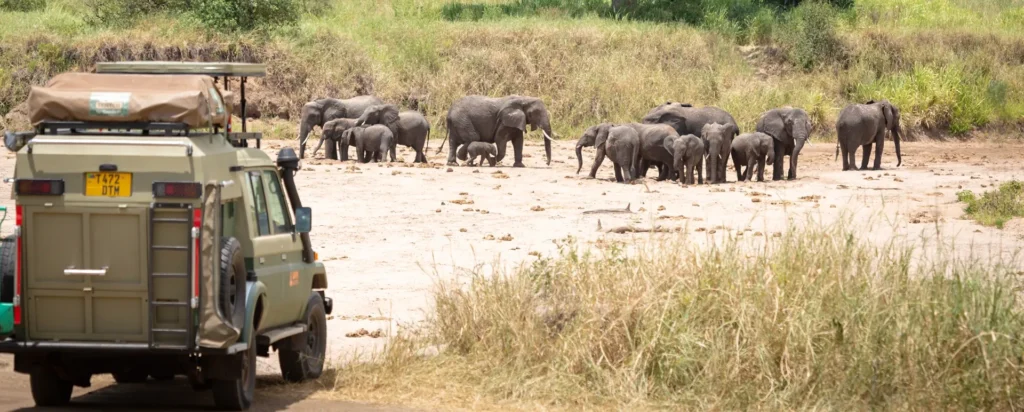
Planning a self-drive safari through Tanzania national parks? Get the latest TANAPA fees, Serengeti entry costs, and Ngorongoro Crater permits. This guide covers 2026 Tanzania park fees for Serengeti, Tarangire, Lake Manyara, plus Lake Natron village charges and exit stamps. Self-drivers face extra rules vs tour groups. Budget right, skip surprises, and hit the road confident.
Tanzania runs some of Africa’s best wildlife spots. TANAPA handles most big parks like Serengeti National Park, Tarangire, and Lake Manyara. Ngorongoro Conservation Area uses separate NCAA rules with special permits and rangers. Wildlife Management Areas (WMAs) like Lake Natron charge village fees to help locals and animals. Know who runs what to guess costs right. Each spot has different payments, time limits, and rules for self-drive safaris. TANAPA gates are cashless, so pay by card or mobile payment. Ngorongoro needs advance booking. WMAs stay cash-only and basic.
Tanzania National Parks Authority (TANAPA) Fees and Permits
TANAPA runs most Tanzania national parks with set fees. They handle big names like Serengeti National Park, Kilimanjaro National Park, Tarangire National Park. Plus Nyerere National Park, Gombe Stream, Mahale Mountains, Arusha National Park, Mikumi, Ruaha, Rubondo Island. Also Saadani, Mkomazi, Udzungwa Mountains, Katavi. Fees fix roads, fight poachers, study animals. Know TANAPA fees to budget multi-park self-drive safaris right.
TANAPA Entry Fees by National Park
TANAPA sorts parks into premium, mid-range, and standard levels based on how popular they are and what facilities they offer.
Premium parks such as Serengeti charge the highest Tanzania national park fee at 70 USD + 18% VAT (82.60 USD) for each adult per day.
Mid-range parks like Tarangire and Lake Manyara usually cost about 53-59 USD for each adult. Standard parks including Mikumi and Udzungwa have lower rates of around 30-35 USD.
Children between 5-16 years of age pay roughly half the adult rate at most parks. Infants under 5 years enter free at all TANAPA-managed parks.
TANAPA Day Pass Validity
TANAPA permits operate on either 12-hour or 24-hour validity depending on the specific park.
Most major parks like Serengeti and Tarangire use 24-hour permits starting from your entry time. This means if you enter at 2 PM, you have access until 2 PM the following day.
However, some parks enforce 12-hour permits that expire faster, so careful timing becomes necessary.
Understanding these validity periods prevents accidental overstays that result in additional penalty charges.
Multi-day visits require purchasing separate permits for each 24-hour period you remain inside. You should plan your game drives and activities to maximize your permit validity efficiently.
Always exit before your permit expires to avoid overstay fines that can equal full-day fees.
Vehicle Entry Fees in TANAPA Parks
TANAPA charges separate vehicle entry fees on top of personal entry permits for visitors.
Foreign-registered vehicles pay 150 USD per entry. Tanzanian-registered vehicles pay TZS 35,000 plus VAT, which benefits local safari operators and self-drivers.
The vehicle fee covers one entry and exit cycle during your permit validity period.
Leaving and re-entering the same park requires purchasing another vehicle entry permit. Multiple entries within your 24-hour personal permit still incur additional vehicle charges each time.
This fee structure particularly affects travelers who plan day trips from accommodations outside park boundaries. You should budget accordingly if your itinerary involves multiple park entries with the same vehicle.
TANAPA Hotel Concession & Camping Fees
Staying overnight inside TANAPA parks incurs additional accommodation-related charges beyond entry fees.
Hotels and lodges inside park boundaries charge concession fees of approximately 50-70 USD per person nightly. These fees go directly to TANAPA and appear separate from your lodge accommodation charges.
Special campsites cost 60 USD or 50 USD per adult per night, depending on the park, plus VAT, and advance booking is required.
Public campsites offer more affordable options at 30 USD per adult nightly, plus VAT.
Children typically pay half rates for both camping and concession fees at most locations.
Camping fees include access to basic facilities like toilets and designated camping areas. However, camping equipment, firewood, and food remain your responsibility to bring or arrange separately.
Optional Activities
TANAPA parks offer additional activities beyond standard game drives that require extra permits.
Walking safaris led by armed rangers cost approximately 20-30 USD per person per walk. Night game drives, where permitted, typically charge similar rates of 20-30 USD per person. These activities must be arranged in advance through park headquarters or your accommodation.
Rangers escort all walking activities for safety. Some parks restrict certain activities to specific seasons or areas for conservation reasons.
Ngorongoro Conservation Area Fees and Permits
Ngorongoro Conservation Area Entry Fees
Ngorongoro Conservation Area operates independently from TANAPA with its own fee structure entirely.
Adult entry fees cost 70.80 USD per person per 24-hour period, VAT included. Children between 5-16 years pay around half the adult rate for entry. Vehicle entry fees add approximately 40-50 USD for foreign-registered vehicles per entry.
The conservation area encompasses more than just the famous crater, including vast highlands. Your entry fee allows access to the entire conservation area during your permit validity. However, descending into Ngorongoro Crater requires an additional service fee on top of entry.
Ngorongoro Crater Service Fee
Descending into Ngorongoro Crater incurs a mandatory Crater Service Fee beyond basic entry charges. This fee costs 295 USD per vehicle regardless of passenger numbers inside. The crater service fee covers one descent and ascent during your visit time.
Multiple descents on different days require paying the service fee again each time. This substantial charge makes Ngorongoro Crater one of the most expensive single-day safari destinations. However, the incredible wildlife density and scenery justify the cost for most travelers.
You should plan your crater visit carefully to maximize your time during the allowed descent period.
Transit Through Ngorongoro Conservation Area
Many travelers transit through Ngorongoro Conservation Area between Serengeti and Arusha without visiting the crater. Transit permits allow passage without paying the full Crater Service Fee for travelers. You still pay regular conservation area entry fees even when just driving through. You should obtain proper transit documentation at the gate to avoid being charged crater descent fees.
Exit stamps are crucial to prove you left within your transit permit validity. Failure to obtain exit stamps results in fines equal to full daily rates.
Ngorongoro Permits and Advance Booking Requirements
Unlike TANAPA parks, Ngorongoro Conservation Area does not sell permits directly at entry gates.
All permits must be arranged in advance through registered tour operators or accommodation providers. Self-drive travelers need to coordinate with NCAA-registered agents before arriving at park gates. This requirement prevents last-minute entry without proper arrangements in place beforehand.
Additionally, crater descent slots have limited daily capacity, so advance reservation becomes necessary.
Rangers for Self-Drivers
Self-drive visitors can descend into Ngorongoro Crater in their own vehicle.
A ranger is not required everywhere, but Safari Masters can arrange one on request. Our driver guides can also take you into the crater.
A ranger helps you follow the rules inside the sensitive crater ecosystem. Rangers also help with wildlife spotting and provide interesting ecological information during your descent. The ranger travels in your vehicle and guide you throughout your crater visit.
Lake Natron Fees (WMA)
Lake Natron operates as a Wildlife Management Area under community-based conservation principles. WMAs differ from national parks because local communities manage them and collect fees. The system supports village development while protecting important wildlife habitats and migration corridors.
Lake Natron attracts visitors for its flamingo populations and stunning alkaline lake scenery. Additionally, the area provides access to Ol Doinyo Lengai volcano and traditional Maasai culture. Understanding WMA fee structures helps you budget for these unique conservation areas accurately.
Lake Natron Entrance, Overnight Fees, and Payment Rules
Lake Natron charges village entry fees of approximately 10-15 USD per person daily, plus wildlife activity fees of another 10-15 USD for key areas. Vehicle fees typically cost around 20-30 USD depending on type and size. Camping costs 10-20 USD per person per night, with lodge guests paying separate village concessions. These figures are estimates, so confirm current fees locally.
These fees remain much lower than TANAPA charges and support local communities through village committees. Facilities stay basic compared to national parks, so bring your own gear. Payments are cash only, in USD or Tanzanian Shillings since cards rarely work in this remote spot.
Permits last 24 hours from gate purchase, with extensions needing new fees for longer stays. Fees might vary slightly between nearby villages. Always carry extra cash for all payments, activities, and community contributions ahead of time.
Other Wildlife Management Areas in Tanzania
Several other Wildlife Management Areas, or WMAs, operate across Tanzania with fee structures similar to Lake Natron. These community-run conservation zones often surround major national parks and act as important wildlife buffer areas.
Lodges and camps inside WMAs usually charge community fees that are separate from your standard accommodation rates. These charges vary by specific WMA but generally stay lower than regular TANAPA Tanzania national park permits.
You should always ask about any community fees when you book stays in conservation areas. This habit helps you budget accurately and also supports local conservation and village projects during your safari.
Lake Eyasi Community Fees and Cultural Activities
Lake Eyasi Entry Fees
Lake Eyasi charges vehicle-based entry fees of approximately 30-40 USD per vehicle daily (estimate). These fees are collected at community gates before you access the lake and village areas. The fees support Hadzabe and Datoga communities living around Lake Eyasi in traditional ways. Payment allows access to the general area for wildlife viewing and cultural interactions.
Cultural Experiences and Community Activity Fees
Visiting Hadzabe hunters costs approximately 50-100 USD per group for morning hunting demonstrations.
Datoga village visits typically charge around 20-30 USD per person for cultural interactions. These fees are negotiated with community guides and should be agreed upon beforehand. All these figures are estimates.
Cultural activities provide income for communities maintaining traditional lifestyles in modern Tanzania.
Important Rules: Exit Stamps and Overstay Penalties
Exit stamps are critical documentation proving you left parks within your permit validity.
Travelers remain responsible for requesting exit stamps at all park gates when departing. Gate staff sometimes forget to provide stamps, so you must ask proactively every time. Missing exit stamps can result in overstay fines equal to additional full-day fees.
Lack of proper exit documentation complicates future park entries and create administrative hassles.
Practical Tips for Planning a Self-Drive
TANAPA gates are cashless, so carry a card for park fees. Bring USD cash for WMA and village fees. You should pay attention to permit validity periods and plan exits accordingly to avoid penalties. Always request exit stamps proactively without waiting for staff to offer them.
Ask us if you would like a ranger for your Ngorongoro Crater descent. Research current Tanzania national park fee rates shortly before departure as prices change.
Consider multi-day stays inside parks to maximize value from expensive entry permits. Coordinate Ngorongoro permits in advance through registered operators before arriving at gates.