


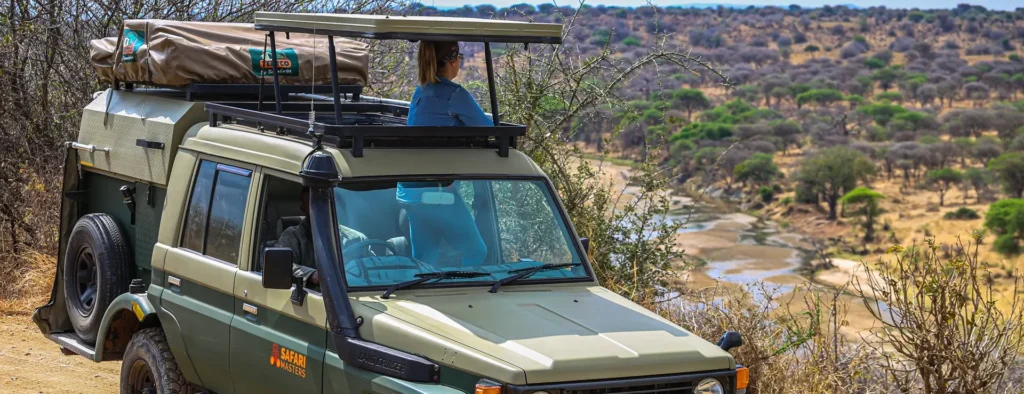
Kenya calls to travelers from every part of the world. The golden savannas and wide open roads pull you in instantly. But one question stops most people before they even start planning. Is Kenya safe?
That is a valid thing to ask before any trip. The good news is that Kenya welcomes millions of tourists each year. The majority of them come back with stories worth telling. However, safety requires more than just good luck on your side.
This guide speaks directly to self-drive kenya tourists. If you plan to rent a vehicle and hit the open roads, this one is for you. You will find honest breakdowns on routes, risks, health, and smart moves here. No fluff. No guesswork. Just the real information you need.
Whether you travel solo or with a group, these tips apply to everyone. Read through and you will leave with a clear picture of whether Kenya is safe for your road trip.
Practical Safety Tips for Self-Drive Tourists
The road is where most decisions happen on a self-drive trip. Small choices add up to big differences when it comes to staying safe. Keep these points in mind from the moment you pick up your keys.
Choosing the Right Tour Operator and Rental Company
Safari Masters stands out as a proven choice for self-drive safaris across East Africa. With over 14 years of facilitating independent travel in Kenya, Tanzania, and Uganda, we understand what tourists need. Our clients consistently rate us highly for vehicle quality and customer support.
Check our verified reviews:
- TripAdvisor: Safari Masters Reviews
- Google Reviews: Safari Masters Google Rating
- World Travel Award Nominee: Safari Masters World Travel Award Nominee
A good operator goes beyond just handing you a car. Safari Masters briefs you on routes, local rules, and emergency contacts upfront. We stand behind our vehicles with proper maintenance and comprehensive insurance. Our 24/7 support ensures you never face challenges alone.
We communicate clearly and never rush decisions. Our team takes time to understand your itinerary and match you with the right vehicle. That approach separates reliable operators from the rest.
Road and Transportation Safety
Kenya roads tell two different stories. Highways like the Nairobi–Mombasa stretch stay smooth and well-maintained most of the year. Bush tracks inside and around national parks, on the other hand, get rough and muddy during rains. Understanding these conditions helps you decide if Kenya is safe for your chosen route.
Never drive after dark. This is the single most important rule for self-drive tourists. Poor lighting, unmarked potholes, and reckless drivers turn night roads into real dangers. National parks enforce this rule strictly and ban entry after sunset without exception. Kenya is safe on the road only when you respect this rule completely.
Additionally, always lock your doors and keep windows up when driving through towns. Hide valuables under seats or in locked compartments inside the vehicle. A driver guide handles all of this for you automatically if you choose that option. More on that comes later in this guide.
Keeping Your Valuables and Documents Safe
Self-drive tourists carry more gear and paperwork than most visitors do. That makes you a slightly easier target if you are not careful. Bag snatchers on motorbikes strike fast, especially at fuel stops and town intersections.
Keep your passport locked inside the vehicle at all times when you are outside. Carry a photocopy separately in a different bag or pocket. Use a money belt or hidden pouch for cash and cards during stops. Spread important documents across two or three different locations in the car.
Moreover, register with your home country’s embassy travel program before departure. Americans should enroll in the STEP program through the U.S. State Department. British travelers need to check in with the FCDO system before they go. This small step makes you much easier to locate during any emergency. These moves together show that Kenya is safe when you stay organized and prepared.
Staying Alert on the Road and During Stops
Awareness keeps you ahead of trouble on any self-drive trip. Watch your surroundings carefully during every fuel stop and supply run. Trust your gut feeling if something does not sit right around you.
Keep valuables out of sight inside the vehicle at all times. Do not leave the engine running unattended in any town or market. Travel with your windows up and doors locked through urban stretches. A calm, confident attitude goes a long way in any situation you face.
Following Advisories and Listening to Locals
Government travel advisories give you the official picture before you leave home. The U.S. State Department rates Kenya as Level 2: Exercise Increased Caution. The UK FCDO publishes similar and regularly updated guidance for British travelers. Check both sources at least one week before your self-drive begins.
Beyond that, trust the people on the ground. Your rental company, driver guide, or campsite host knows the current road conditions better than any website. They will warn you about blocked routes or trouble spots in real time. Local knowledge beats online reports almost every single time.
Is Kenya Safe for Solo Female Self-Drive Travelers?
Yes, solo women self-drive across Kenya every year without trouble. Thousands of female travelers from the USA, UK, and Europe do it regularly. Most of them return home with only good things to say about the trip.
Self-driving hands you full control over your schedule and stops. You pick the route, set the pace, and decide where to sleep. That kind of freedom feels powerful when you travel on your own.
That said, one move makes the whole trip significantly safer. Hire a driver guide alongside your self-drive rental. This does not mean giving up your independence at all. The guide sits beside you and handles the heavy lifting behind the scenes. Navigation, vehicle checks, checkpoint interactions — they take care of all of it.
For solo female travelers, a driver guide adds real peace of mind. Remote bush roads between parks can feel isolated and lonely at times. A trusted guide beside you changes that feeling completely. They also know which campsites stay safe overnight and which ones to skip.
Safari Masters provides vetted and experienced driver guides for self-drive trips. Every guide goes through a proper background check before joining the team. You get local knowledge and genuine support without losing any of your freedom.
A few more tips round out your solo self-drive safety plan. Share your complete route and schedule with someone back home. Stay connected with a local SIM card that offers reliable data coverage. Park in well-lit or guarded spots every single night without fail.
Kenya is safe for solo female self-drive travelers who plan smart and stay sharp.
Is Kenya Safe for White Tourists on a Self-Drive?
This is a common question, and the answer stays the same every time. Kenya welcomes tourists of all backgrounds without discrimination. Tourism brings in significant revenue, and the government protects visitors actively. The country has no history of targeting tourists based on race or nationality.
You might draw a little extra attention in certain town stops, though. Busy markets and small urban areas sometimes notice foreign visitors quickly. Consequently, keeping a low profile during supply and fuel stops works in your favor. Skip the flashy gear and keep expensive items out of sight in the car.
On the safari trails, none of that matters at all. National parks and game reserves see foreign self-drivers every single day. Rangers keep order, and the rules stay consistent for everyone inside park boundaries. Millions of international tourists complete these exact routes without any issues each year.
A driver guide removes even more friction from your self-drive trip. They handle police checkpoints, park entry paperwork, and interactions with locals for you. You stay focused on the wildlife and the road ahead. Kenya is safe for white tourists who drive through established safari corridors.
Regional Safety Variations for Self-Drive Routes
Kenya does not carry one single safety rating across the entire country. Each region tells its own story, and your self-drive route depends on knowing the difference. This breakdown answers whether Kenya is safe for every major corridor tourists use.
Safe Self-Drive Areas
Nairobi (Westlands, Karen, Gigiri): These neighborhoods stay safe and well-patrolled for visitors. Most rental pickups and drop-offs happen in these zones. Stock up on supplies here before you head out onto the open road.
Mombasa and the Coastal Strip: The stretch from Mombasa toward Malindi stays popular and well-guarded. Self-drivers use this route to reach the coast after finishing inland park visits. Security presence stays strong throughout this corridor year-round.
Major National Parks — Masai Mara, Amboseli, Tsavo, Samburu: These parks rank among the safest self-drive destinations in East Africa. Kenya is safe inside every one of these well-managed reserves. Rangers patrol boundaries and enforce visitor rules without exception. Self-driving through these parks remains one of the most popular routes tourists take. Millions of visitors complete them safely every single season without incident.
Areas That Need Extra Caution
Nairobi City Center After Dark: The city center becomes unpredictable once the sun sets. Crime rates climb quickly when daylight disappears from the streets. Do not drive through the center at night unless you have a driver guide with you. Plan your Nairobi stops during daytime hours only.
Kibera and Eastleigh: These informal settlements carry higher crime risks than other parts of the city. The U.S. Embassy flags both neighborhoods specifically for visiting tourists. Your self-drive route will never need to pass through either of these areas. Stay on the main roads heading in and out of Nairobi.
Areas to Avoid Completely
Northeastern Counties Near the Somali Border: Garissa, Wajir, and Mandera remain completely off-limits for tourists. Terrorism and kidnapping risks run high in these regions without question. Multiple governments classify these zones as Level 4: Do Not Travel. No legitimate self-drive route will ever take you anywhere near them.
Tana River County and Areas North of Malindi: Parts of this region also carry serious security risks for visitors. Cross-border threats affect these zones on a regular basis. Stick to the well-mapped tourist corridors and you will never encounter these areas.
Health and Medical Safety for Self-Drive Campers
Health planning matters even more when you sleep under the stars. Remote campsites sit far from the nearest hospital or clinic. Handle every health point below before you leave home, and your trip stays smooth. Kenya is safe for self-drive campers who sort out health prep in advance.
Vaccinations You Need to Know About
Kenya does not require vaccines from most USA, UK, or European visitors. One exception exists, though. If you arrive from a yellow fever-endemic country, you must carry a valid vaccination certificate. Travelers coming through Uganda fall into this category.
Nevertheless, doctors recommend several vaccines for anyone heading to Kenya. Typhoid and Hepatitis A protect you against foodborne and waterborne illness effectively. Keep your tetanus, polio, and measles boosters fully up to date as well. Visit your doctor at least one month before departure to sort this out properly.
Malaria Prevention on the Road
Malaria stays a real concern in certain parts of Kenya. The coastal belt, western regions, and areas close to the Tanzanian border carry the highest risk. The highlands above 2,500 meters and central Nairobi stay relatively malaria-free, though.
Start your antimalarial medication before you arrive, exactly as your doctor prescribes. Atovaquone/proguanil or doxycycline work well for Kenya specifically. Apply DEET-based repellent on all exposed skin before every sunset. Sleep under insecticide-treated nets when you camp in lower-altitude zones.
If any fever shows up during or after your Kenya trip, get to a doctor fast. Mention your travel history and camping locations without delay. Early treatment makes a massive difference in how quickly you recover.
Medical Access and What It Means for Self-Drivers
Nairobi holds several hospitals that meet international standards without question. Aga Khan Hospital and Nairobi Hospital both handle complex cases well. Once you leave the capital, however, medical facilities drop off sharply.
This reality makes travel insurance non-negotiable for any self-drive trip. Your policy must cover medical evacuation from remote locations. Some Kenyan hospitals demand upfront payment before they begin any treatment. Keep your insurance documents and emergency numbers stored inside the vehicle at all times. Kenya is safe for self-drivers who carry this backup wherever they go.
Why Travel Insurance Matters More on a Self-Drive
A self-drive takes you to places where help does not arrive quickly. One bad road accident or sudden illness in a remote area costs a fortune to resolve. A solid policy covers hospitalization, emergency flights, and trip interruption all at once.
Read the fine print before you buy. Inform your insurance provider about your self-drive plans and any camping activities. Some policies quietly exclude off-road driving if you do not declare it ahead of time. Declaring everything upfront confirms that Kenya is safe with your finances covered too.
Frequently Asked Questions
Is Kenya Safe for Americans on a Self-Drive Safari?
Yes, Kenya stays one of the top self-drive destinations for American tourists. The U.S. Embassy in Nairobi provides active support for citizens traveling in the country. Kenya is safe for Americans who stick to mapped routes and well-known park corridors. Sign up for the STEP program before you fly out for added peace of mind.
A driver guide takes the pressure off even further for American visitors. They handle language gaps, checkpoint paperwork, and local dealings without any hassle. Safari Masters pairs American self-drivers with guides who know every route in detail.
Is Kenya Safe for Families Doing a Self-Drive with Kids?
Absolutely. Family self-drives across Kenya work brilliantly when you plan the route well. Kenya is safe for families who choose daylight-only driving and stick to main park roads. Kids genuinely love watching wildlife from the back seat of a well-stocked vehicle.
Pack water, snacks, and sun protection for the entire family before you leave each stop. Keep children inside the vehicle at all times inside any game reserve. A driver guide takes real pressure off the parents on long stretches of road. You focus on enjoying the trip while the guide handles navigation and timing.
Safari Masters sets up vehicles with both ground tents and rooftop tents for families. The whole family sleeps comfortably under the stars without any extra stress or hassle.
Is Driving in Kenya Safe at Night?
No. Night driving on Kenyan roads carries serious risks that you cannot ignore. Poor lighting, unmarked potholes, and unpredictable drivers turn dark roads into real danger zones. National parks ban all self-driving after sunset without any exceptions whatsoever. Kenya is safe for driving only when you stick to daylight hours.
Plan every stop and campsite before the sun disappears from the sky. A driver guide will flag any stretch of road that becomes risky as evening approaches. Never push your schedule past dark on any route, no matter how close your next stop feels.
How Do You Avoid Scams During a Self-Drive in Kenya?
Scams do target self-drive tourists, but most of them are easy to spot. Overpriced fuel, fake park entry tickets, and inflated campsite fees rank among the top ones. Always confirm prices before you pay for anything at any stop along the way.
A driver guide cuts your scam risk down to almost nothing on the road. They know the real fuel prices, genuine entry points, and trusted stops cold. Furthermore, booking everything through a verified operator removes the guesswork entirely. Safari Masters handles all payments and arrangements transparently for self-drive customers.
Never hand your passport to anyone outside of an official border crossing. If something sounds too cheap or too easy, walk away from it immediately. Kenya is safe when you travel with the right people and stay sharp throughout.
Why Safari Masters Works for Self-Drive Safety
Safari Masters has covered the roads of East Africa for over 14 years. Kenya, Tanzania, and Uganda all fall under their operating territory. The company does not just hand you a vehicle and wish you luck. They match you with the right car, the right gear, and the right support from day one.
Driver guides from Safari Masters go through proper vetting before they ever hit the road with a guest. Camping gear arrives clean, maintained, and ready to set up without any hassle. Whether you travel solo, as a couple, or with a family, the setup fits your needs exactly.
24/7 support stays active throughout your entire trip. If something goes wrong at two in the morning on a bush road, someone picks up the phone. That kind of backup turns a self-drive in Kenya from a gamble into a well-planned road trip.
Is Kenya safe for self-drive tourists? Yes, especially when you have the right team behind you.