
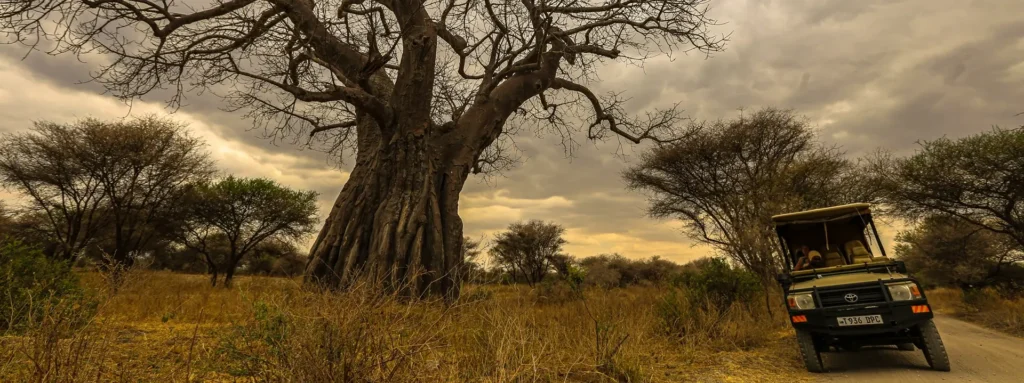
Best time to visit Kenya depends on your goals, but here is the real deal from years on the ground. Kenya offers top safaris with the Great Migration, Big Five sightings, and beautiful beaches. Your travel dates control what you see and how much you spend.
During dry seasons, animals gather at water sources, so spotting wildlife gets much easier in national parks. During rainy seasons, wildlife spreads out across bigger areas but lodge prices and other costs drop by almost 50%. Tourist crowds peak in Masai Mara and Amboseli during dry season but road conditions are perfect for self drive and also you can easily see wildlife in dry season
Quick answer: July through October is the overall best time to visit Kenya. You get peak wildlife viewing, minimal rain, and great road conditions. Still, different interests might suit other times,we cover them all here.
Best Time to Visit Kenya by Season
Dry Season: Best Overall Safari Months
June to October: Prime Safari Season
The long dry season represents the best time of year to visit Kenya for most travelers. Minimal rainfall keeps roads accessible and wildlife concentrated. Safari lodges and camps operate at full capacity during these months.
Wildlife viewing reaches annual peaks as animals cluster around rivers and waterholes. Vegetation thins, making spotting easier in Masai Mara, Tsavo, and Amboseli. Predators follow prey concentrations, increasing dramatic sighting opportunities.
Road conditions throughout Kenya remain excellent during dry months. 4×4 rental vehicles navigate easily without mud challenges. Self-drive safaris proceed smoothly with minimal weather disruptions.
July through September marks absolute peak tourist season. Accommodation prices reach annual highs while availability drops significantly. Book lodges, camps, and vehicle rentals three to four months ahead.
January to March: Secondary Dry Season
This window provides the best time to visit Kenya on budget. Tourist numbers decrease substantially after December holidays. Accommodation rates drop 20-40% below peak season pricing.
Wildlife viewing quality rivals the long dry season. Many animals give birth during February, attracting predators to newborn calving grounds. The Great Migration begins moving north from Tanzania’s Serengeti into Kenya.
Weather conditions remain pleasant with warm days and cool nights. Occasional brief showers occur but rarely disrupt full-day activities. This period balances excellent conditions with reasonable costs.
Shoulder Season: November to December
Short rains create a transitional period between dry seasons. Brief afternoon thunderstorms clear quickly, leaving mornings ideal for game drives. The best time to visit Kenya weather-wise includes these underrated months.
Landscapes transform dramatically as rain greens the savannah. Photography benefits from vibrant colors and dramatic cloud formations. Wildlife remains visible though slightly more dispersed than peak dry months.
Tourist crowds thin considerably after October migration season ends. Accommodation availability improves while prices moderate from peak rates. This represents excellent value for flexible travelers.
Migration herds return south from Masai Mara into Tanzania’s Serengeti. However, resident wildlife populations maintain strong viewing opportunities. Big Five sightings continue regularly throughout November and December.
Rainy Season: April and May Low Season
Heavy rains transform Kenya during the long wet season. Daily downpours create muddy conditions on many roads. Some remote lodges close temporarily during these challenging months.
However, this period offers the best time to visit Kenya for budget travel. Accommodation rates plummet 40-60% below peak season pricing. Safari lodges extend generous promotions to attract limited visitors.
Wildlife disperses widely as water becomes abundant everywhere. Animals no longer concentrate predictably at permanent sources. However, patient observers still find excellent sightings throughout parks.
Bird watching reaches annual peaks during rainy months. Over 1,100 bird species inhabit Kenya, many migrating from Europe during this period. Lush vegetation and blooming flowers create stunning natural beauty.
When Rainy Season Works Well:
- Photographers seeking dramatic skies and green landscapes
- Budget travelers prioritizing cost savings over perfect conditions
- Bird watchers targeting migrant species
- Travelers avoiding crowds in popular parks
Best Time to Visit Kenya by Travel Interest
Safari and Wildlife Viewing in Kenya
The best time to visit Kenya for wildlife safaris occurs during dry months when animals concentrate. June through October provides optimal game viewing across all major parks. January through March offers nearly equal wildlife visibility at lower costs.
Big Five Viewing: Lions, leopards, elephants, buffalo, and rhinos appear year-round in Kenya’s parks. However, dry season concentrations increase sighting reliability dramatically. Masai Mara, Amboseli, Tsavo, and Lake Nakuru offer consistent Big Five opportunities.
Predator Activity: Lions and cheetahs hunt more actively during dry months when prey congregates. Leopards remain challenging to spot year-round but appear more frequently at dry season territories. Wild dogs, though rare, favor open areas during drought conditions.
Elephant Herds: Amboseli National Park hosts massive elephant populations year-round. Dry months bring them near swamps below Mount Kilimanjaro for iconic photographs. Tsavo’s red elephants appear most dramatic when dust-bathing during driest periods.
Giraffe Populations: Rothschild’s giraffes thrive in Lake Nakuru National Park. Reticulated giraffes dominate northern Samburu region. Both species remain visible throughout the year in their respective ranges.
Hippopotamus and Crocodiles: Water-dependent species concentrate at permanent rivers and lakes year-round. Mara River hosts massive populations of both species. River crossings during migration bring dramatic predator-prey interactions.
Month by Month Guide: Best Time to Visit Kenya
January: Excellent Safari Month
Weather conditions remain dry and pleasant throughout Kenya. The best time to visit Nairobi Kenya includes this comfortable month. Cool mornings warm into pleasant afternoons across safari regions.
Wildlife viewing quality stays high as dry conditions persist. Calving season begins in southern Tanzania’s Serengeti. Some newborns and predator activity spill into southern Kenya parks.
Tourist crowds thin considerably after December holidays. Accommodation rates drop from peak season pricing. This creates excellent value for quality safari conditions.
Best For: Budget travelers seeking dry season quality at lower prices
February: Peak Calving Season
The Great Migration’s calving season reaches its peak this month. Southern Serengeti hosts most births, but northern Tanzania and Kenya’s southern regions benefit. Predators including lions and cheetahs hunt vulnerable newborns actively.
Dry conditions continue throughout Kenya’s safari regions. The best time of year to visit Kenya for photography includes February’s golden light. Clear skies create perfect conditions for wildlife images.
Valentine’s Day brings brief tourist increases at romantic lodges. Otherwise, crowds remain moderate throughout the month. Prices stay reasonable compared to July-October peak.
Best For: Photographers, predator enthusiasts, couples seeking romantic safaris
March: Transition Month
Weather begins transitioning toward long rains during March. Early weeks maintain dry conditions while late March sees increasing clouds. Some flexibility helps navigate this variable period.
Wildlife remains concentrated at permanent water sources. Safari quality stays high through mid-month. The best time to visit Kenya safari parks extends into early March.
Prices remain low as operators prepare for upcoming rainy season. Excellent deals emerge for flexible travelers. This represents the final opportunity for peak-condition budget safaris.
Best For: Budget travelers comfortable with weather uncertainty
April: Low Season Begins
Heavy rains arrive throughout most of Kenya. The long rainy season transforms landscapes from brown to lush green. This marks the best time to visit Kenya for budget travel.
Accommodation rates drop 40-60% below peak season pricing. Many lodges close temporarily or offer substantial promotions. Safari companies extend generous discounts for limited bookings.
Wildlife disperses widely as water becomes available everywhere. Game viewing requires more patience than dry months. However, dedicated observers still find excellent sightings.
Best For: Budget travelers, bird watchers, photographers seeking green landscapes
May: Peak Rainy Month
May receives the heaviest rainfall annually across Kenya. Daily downpours create muddy roads in many parks. Some remote areas become temporarily inaccessible without specialized vehicles.
Tourism drops to annual lows during this challenging month. Many seasonal camps close entirely until June. Those remaining open offer rock-bottom pricing.
However, landscapes reach peak beauty during May. Vibrant green savannahs and blooming wildflowers create stunning scenery. Bird populations explode with migrant species arriving from Europe.
Best For: Hardcore budget travelers, serious bird watchers, nature photographers
June: Dry Season Returns
Rainfall decreases dramatically as dry season begins. Roads dry out quickly, improving accessibility throughout Kenya. The best time to visit Kenya for wildlife safari starts this month.
Migration herds begin arriving in Masai Mara from Tanzania. Early June sees smaller crowds before peak season. Prices remain moderate during this excellent shoulder period.
Wildlife concentrations build steadily as water sources shrink. Game viewing improves throughout the month. Tourist numbers increase but remain manageable compared to July-September.
Best For: Value seekers wanting dry season quality before peak crowds
July: Peak Season Begins
Dry conditions dominate throughout Kenya. The Great Migration floods into Masai Mara in large numbers. The best time to visit Kenya Masai Mara begins this month.
Tourist crowds surge across all major parks. Accommodation prices jump to annual highs. Book lodges and 4×4 rental vehicles several months ahead.
Weather remains perfect for safari activities. Clear skies and moderate temperatures enhance outdoor experiences. Wildlife viewing reaches excellent levels across all parks.
Best For: Migration enthusiasts, first-time visitors wanting peak conditions
August: Peak Migration Month
August represents the best time to visit Kenya for Great Migration viewing. River crossings occur multiple times daily in Masai Mara. This month delivers Africa’s most dramatic wildlife spectacles.
Tourist crowds reach annual peaks, particularly at Masai Mara. Dozens of vehicles may surround popular crossing points. Private conservancies offer better crowd management at premium prices.
Weather remains consistently dry and pleasant. The best time to visit Kenya Africa includes this perfect-condition month. However, advance booking proves essential for preferred accommodations.
Best For: Wildlife photographers, bucket-list travelers, migration enthusiasts
September: Continued Migration Viewing
The Great Migration continues throughout September. River crossings remain frequent though crowds moderate slightly. This represents the best time to visit Kenya safari for quality migration viewing.
Weather maintains dry, pleasant conditions across all regions. Wildlife concentrations peak at permanent water sources. Game viewing reaches annual highs throughout Kenya’s parks.
Prices remain elevated at peak season levels. However, availability improves compared to August. Book two to three months ahead for decent lodge selection.
Best For: Migration viewers seeking slightly fewer crowds than August
October: Late Migration Season
Migration herds begin departing Masai Mara toward Tanzania. Early October maintains good viewing while late month sees decreasing numbers. This marks the final peak season month.
Weather remains dry though occasional short rains may begin. The best time to visit Kenya weather conditions extends through October. Tourist crowds thin as month progresses.
Prices stay elevated through mid-month before dropping. Late October offers good value as operators transition toward low season. Wildlife viewing remains excellent throughout the country.
Best For: Late-season migration viewers, shoulder season value seekers
November: Short Rains Begin
Brief afternoon showers characterize Kenya’s short rainy season. Mornings typically remain clear and pleasant for activities. This represents underrated value for the best time to visit Kenya.
Landscapes transform rapidly from brown to green. Photography benefits from dramatic clouds and vibrant vegetation. Wildlife remains visible though slightly dispersed.
Tourist crowds drop significantly after October. Accommodation rates decrease 20-30% from peak pricing. Excellent availability exists across most properties.
Best For: Budget travelers, photographers, crowd avoiders
December: Holiday Season
Short rains continue but decrease as month progresses. Weather improves toward excellent conditions by late December. The best time to visit Kenya December includes the holiday weeks.
Tourist numbers surge during Christmas and New Year periods. Many lodges impose mandatory holiday surcharges and minimum stays. Book six to twelve months ahead for holiday weeks.
Post-holiday periods (early December) offer excellent value. Wildlife viewing maintains good quality throughout the month. Migration herds return south toward Tanzania.
Best For: Holiday travelers, families on school breaks, year-end vacationers
When to Visit Different Kenya Areas
Best Time to Visit Nairobi and Central Highlands
Nairobi enjoys pleasant weather year-round due to 1,600-meter elevation. The best time to visit Nairobi Kenya spans most months excluding April-May heavy rains. January through March and June through October provide optimal conditions.
Nairobi National Park sits just outside the city center. This unique urban park offers excellent wildlife viewing year-round. Early morning game drives produce best sightings regardless of season.
Mount Kenya region experiences cooler temperatures than lowland areas. The best time to visit central Kenya for trekking runs from January through February and July through October. Avoid rainy months when mountain trails become treacherous.
Masai Mara and Northern Parks Timing
Masai Mara receives tourists year-round but peaks during migration months. The best time to visit Masai Mara Kenya safari occurs from July through October. River crossings and massive herds justify this period’s popularity.
However, January through March provides excellent Masai Mara alternatives. Resident wildlife remains abundant when migration departs. Lower prices and smaller crowds enhance the experience significantly.
Samburu National Reserve in northern Kenya maintains dry conditions year-round. Unique northern species including Grevy’s zebras and reticulated giraffes appear consistently. June through October provides optimal viewing when animals concentrate.
Coastal Region Best Months
The best time to visit Mombasa Kenya and coastal areas spans January through March. Consistent sunshine and calm seas create perfect beach conditions. Water sports, diving, and snorkeling thrive during these months.
July through October offers alternative beach windows. Slightly cooler temperatures and breezy conditions suit some travelers better. Wind sports flourish during this period along Diani and Watamu.
Avoid April through June when heavy rains affect coastal regions. Many beachfront properties close temporarily during this period. However, extreme budget travelers find exceptional off-season deals.
Lesser-Visited Parks Throughout Kenya
Tsavo East and Tsavo West National Parks welcome visitors year-round. These massive parks offer excellent wildlife viewing during all dry months. The best time to visit Kenya for Tsavo exploration runs January through March and June through October.
Lake Nakuru and Lake Naivasha in the Rift Valley maintain accessibility year-round. Flamingo populations at Nakuru fluctuate based on water levels. Rhino viewing remains excellent throughout all seasons.
Amboseli National Park below Mount Kilimanjaro offers year-round elephant viewing. However, July through October provides the best time to visit Kenya for clear mountain views. January through March also delivers excellent photographic conditions.
Essential Tips for First-Time Kenya Visitors
Packing for Different Seasons
Dry Season Packing (June-October, January-March): Light, breathable clothing in neutral colors works best for safari. Mornings and evenings require light jackets or fleeces. Dust levels increase during driest months, affecting respiratory comfort.
Sun protection including hats, sunglasses, and sunscreen proves essential. Dry conditions intensify ultraviolet exposure at high altitudes. Binoculars enhance wildlife viewing across all parks.
Rainy Season Packing (April-May, November-December): Waterproof jackets and rain gear become necessary during wet months. Quick-dry clothing proves more practical than cotton. Ziplock bags protect electronics from moisture.
Sturdy, waterproof footwear handles muddy conditions better than standard hiking boots. Insect repellent increases in importance as mosquito populations surge. The best time to visit Kenya for safari still requires malaria prevention year-round.
Trip Duration Recommendations
One Week Trips: Focus on single regions for one-week Kenya visits. Northern circuit including Masai Mara and Amboseli works well. Alternatively, combine Tsavo parks with coastal beaches.
Two Week Trips: Two weeks allows comprehensive northern circuit safaris. Include Masai Mara, Samburu, Lake Nakuru, and Amboseli. Add three to four beach days at Diani or Watamu.
Three Week Trips: Extended stays permit thorough Kenya exploration. Combine northern parks with southern Tsavo region. Include western Kenya’s unique ecosystems. Add one week coastal relaxation.
Combining Safari and Beach Holidays
Most travelers prefer safari first, then beach relaxation. This sequence allows washing dust away while processing safari memories. The best time to visit Kenya and Zanzibar follows this pattern.
Domestic flights connect safari regions with coastal areas efficiently. Nairobi to Mombasa takes one hour by air. Many travelers self-drive to parks then fly to coast.
Kenya safety considerations apply throughout your journey. Research current conditions before departure. Self-drive safaris demand proper preparation regardless of season.
Frequently Asked Questions About Kenya Safari Timing
When is the Best Month for Safari in Kenya?
August and September represent the best single months for Kenya safaris. Migration river crossings peak during this window. However, these months bring maximum crowds and highest prices.
January and February offer the best value alternative. Wildlife viewing quality rivals peak season at 30-40% lower costs. Calving season adds unique predator-prey dynamics to safaris.
Can You Travel to Kenya During Rainy Season?
Yes, Kenya welcomes tourists year-round including rainy months. April and May offer the best time to visit Kenya for budget travelers. Accommodation discounts reach 50-70% below peak rates.
However, expect muddy roads and dispersed wildlife during rains. Some remote lodges close temporarily. This period suits flexible travelers prioritizing savings over perfect conditions.
Is Kenya Good for Families Year-Round?
Kenya accommodates families throughout the year with appropriate planning. School holiday periods (July-August, December) bring many family travelers. However, these periods also feature maximum crowds and prices.
Shoulder seasons including January-March and November work better for families. Lower prices stretch budgets while maintaining excellent safari quality. Many lodges offer family rooms and child-friendly activities.
Best Time to Visit Kenya for Photographers?
January through February and September through October provide optimal photographic light. The best time to visit Kenya safari for photography includes these clear-sky months. Golden hour lighting enhances wildlife images.
Green season (November, April-May) offers dramatic sky photography. Storm clouds create moody backgrounds for landscape images. However, wildlife photography becomes more challenging during dispersed rainy periods.
Best Time to Visit Kenya for Bird Watchers?
November through April marks peak bird watching season in Kenya. European migrant species arrive during these months. Over 1,100 bird species inhabit the country year-round.
Resident species including African fish eagles and lilac-breasted rollers appear constantly. However, the best time to visit Kenya for wildlife safari overlaps with excellent birding. Dry months concentrate both birds and mammals at water sources.
Budget Traveler Tips for Kenya
April through May offers the best time to visit Kenya budget tips apply most. Accommodation costs drop dramatically during these rainy months. Safari companies extend generous promotions for limited bookings.
Camping reduces costs significantly compared to lodges. Safari Masters provides camping equipment from $20 daily. Public campsites in parks cost $30-50 per person nightly.
Travel with others to share 4×4 rental Kenya costs. Vehicle expenses divide among passengers for major savings. Self-drive approaches cost less than fully guided tours.
Plan Your Kenya Safari with Safari Masters
Safari Masters facilitates self-drive adventures throughout Kenya year-round. Our well-maintained 4×4 vehicles handle seasonal conditions safely and reliably. We provide comprehensive briefings on weather patterns and road conditions.
Our 14 years of East African operations inform expert seasonal advice. We help you determine the best time to visit Kenya for your specific interests. Our 24/7 support ensures smooth travels regardless of season.
Vehicle rentals start at $170 daily with unlimited mileage included. Comprehensive insurance protects you throughout your journey. Camping equipment adds just $20 daily for budget-conscious travelers.
We supply everything needed for successful seasonal safari adventures. Our local knowledge optimizes routes based on current conditions. Real-time weather updates help you adjust plans as needed.