
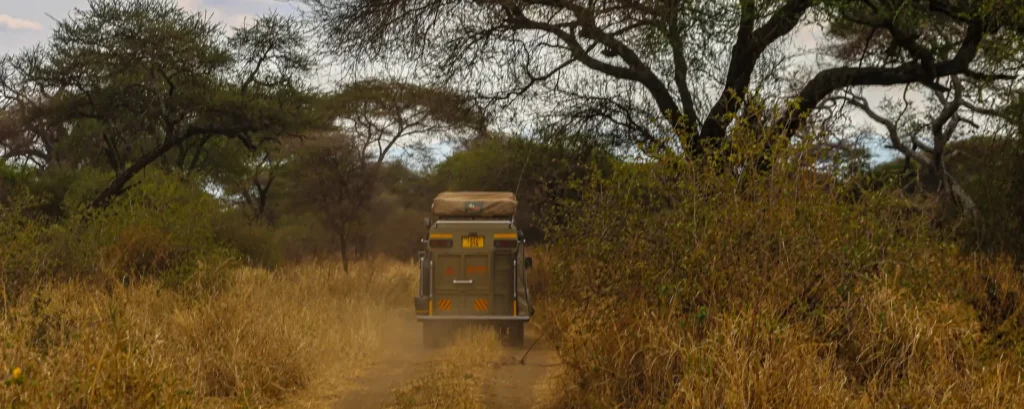
Kenya ranks among the top self-drive safari destinations in the world. Driving in Kenya gives you total control over where you go and how long you stay.
This guide covers everything from permits and road maps to costs and safety. Read through before you book, and you will arrive fully prepared.
Driving in Kenya – Overview
Driving in Kenya puts Masai Mara, Amboseli, and Samburu all within your reach.
You pick the pace. You choose the stops. No tour bus schedule holds you back. This is one of the main reasons travelers keep choosing self-drive trips in East Africa.
Nairobi serves as the starting point for most road trips across Kenya. From there, major highways fan out toward every key wildlife zone in the country. Safari Masters has run self-drive operations out of Kenya for well over a decade.
Kenyan roads cover a massive range of terrain and conditions. The sections ahead break down each part of the process in plain, practical terms.
International Driving Permit – Kenya Requirements
Kenya requires foreign drivers to hold an International Driving Permit at all times. Your home-country license alone will not cut it on Kenyan roads. This rule stands firm for every tourist driving in Kenya.
Get your IDP sorted before you board the flight. Most automobile associations process them within a few days. The cost stays low, and the paperwork is minimal.
Quick Tip: Carry your IDP and your original license together in one place. A glove box or a zipped pocket works well for quick access.
Some nationalities enjoy partial license recognition at the border. Even so, an IDP takes away any room for debate at a police stop.
Best 4×4 Rental for Driving in Kenya
Kenya car rental options vary widely in quality and price. Pick the right 4×4, and the roads ahead become much more manageable.
Masai Mara and Amboseli both demand a vehicle with strong ground clearance. The Toyota Land Cruiser 70 series remains a top pick across the board. A Toyota Hilux 4×4 works well too, especially for budget-conscious travelers.
Safari Masters keeps a maintained fleet ready for driving in Kenya at any time of year.
Rentals start at $170 per day. Spare tires, a tool kit, and basic safety gear come included with every hire.
| Vehicle | Best For |
| Toyota Land Cruiser 70 | Long-haul park drives |
| Toyota Hilux 4×4 | Budget bush road trips |
| Land Rover Defender | Extreme off-road tracks |
| Toyota Safari Cruiser | Family or group trips |
Kenya Road Conditions 2026 – Routes and Map
Road quality in Kenya splits into two clear categories. Major highways like the Nairobi to Mombasa route stay paved and well-patrolled. Wildlife reserve roads, by contrast, turn rough and sandy in dry stretches.
Two rainy seasons shape the calendar. The long rains hit between March and May. The short rains arrive in October through December. Both periods can wash out smaller tracks inside the parks.
The dry months between June and September remain the sweet spot for road travel.
Major routes at a glance: Nairobi to Masai Mara takes about 5 hours by road. Nairobi to Amboseli runs roughly 4 hours. The stretch from Nakuru to Lake Naivasha stays under 1 hour.
Refuel at every town you pass through. Petrol stations thin out fast once you leave the main highways.
Driving Rules and Regulations in Kenya
Kenya uses left-hand traffic, just like the UK. Drivers from the USA often need a short adjustment period. Roundabouts spin in the opposite direction from what Americans are used to.
Speed limits vary by road type and location. Town centers allow a maximum of 50 km/h. Open highways permit up to 100 km/h. Inside national parks, keep your speed at or below 40 km/h.
| Road Zone | Speed Limit |
| Town and Urban Areas | 50 km/h |
| Open Highways | 100 km/h |
| National Park Roads | 30–40 km/h |
| School Zones | 30 km/h |
Seatbelts are required for every front-seat passenger. Talking on a mobile phone while driving is a criminal offense. Drunk driving leads to arrest and heavy fines under Kenyan law.
Police checkpoints appear on major highways without warning. Keep your documents in order, and you will pass through quickly every time.
Is Driving in Kenya Safe for Tourists?
Driving in Kenya during the day is considered safe on all major tourist routes.
Kenya Wildlife Service patrols most popular parks and reserves on a regular basis. Road signage has improved steadily over recent years. Still, certain precautions matter every single time you get behind the wheel.
Wildlife does not follow road rules. Lions, elephants, and buffalo cross tracks at unpredictable times. Slow down well before any animal sighting and keep your windows up.
Safari Masters advises all clients to stick to marked tracks inside reserves. Wandering off designated paths puts both you and the local wildlife at risk.
Safety Rule: Never leave your vehicle inside a national park or reserve. Share your route plan with someone before you set off each day.
Self-Drive Safari Kenya – Masai Mara Circuit Itinerary
The Masai Mara Circuit is the flagship self drive safari Kenya route.
It connects Nairobi, Nakuru, Lake Naivasha, Masai Mara, and Amboseli in a single loop. Most people finish the circuit comfortably in 7 to 9 days. Big cat sightings and the Great Migration make this route a serious draw.
Days 1 and 2 take you northwest through Nakuru and Lake Naivasha. Days 3 through 5 put you right in the heart of Masai Mara. Days 6 and 7 swing south to Amboseli before the final drive back to Nairobi.
| Day | Destination |
| Day 1–2 | Nairobi → Nakuru → Lake Naivasha |
| Day 3–5 | Lake Naivasha → Masai Mara Reserve |
| Day 6 | Masai Mara → Amboseli National Park |
| Day 7 | Amboseli → Nairobi |
Safari Masters supplies detailed waypoint guides for this entire loop. First-time drivers in Kenya find the Nakuru to Mara leg especially useful to have mapped out.
Self-Drive Safari Kenya – Cost Breakdown 2026
The total cost of driving in Kenya on a self-drive trip adds up from several moving parts.
Your 4×4 rental forms the base of the budget. Park entry fees stack on top after that. Food, fuel, and camping gear fill in the rest. Lodge nights raise the number, but they also raise the comfort level.
| Item | Estimated Cost |
| 4×4 Vehicle Rental | $170 / day |
| Camping Tent (1–2 persons) | From $20 / day |
| Camping Tent (3–4 persons) | From $20 / day |
| Driver Guide (optional) | $30 / day |
| KWS Park Entry (foreign) | $100–$150 / person |
| Fuel (approx. per day) | $50–$90 |
| Lodge Accommodation | $100–$280 / night |
Safari Masters rents both ground tents and vehicle-top tents for camping trips. Ground tents sit on flat clearings inside designated campsites. Rooftop tents mount directly onto your 4×4 for a higher vantage point.
A 7-day self drive safari Kenya trip runs between $1,300 and $2,600 per person total. That range covers the vehicle, camping setup, fuel, and standard park fees.
Kenya National Parks – Self-Drive Permits and Camping
Kenya Wildlife Service manages entry permits for all national parks and reserves. You can purchase a permit at the gate or arrange it online ahead of time. Booking early avoids delays, particularly during peak travel weeks.
Camping permits come as a separate charge on top of the entry fee. Masai Mara and Amboseli both have bush camping areas set aside for self-drive visitors. Safari Masters takes care of all permit logistics if you want that handled in advance.
Keep in mind: A single park permit does not cover other parks. Each reserve charges independently. Add up every entry fee when you map out your route budget.
Self drive safari Kenya packages from Safari Masters include a permit checklist. Nothing slips through the cracks before you hit the road.
Lodge options exist inside several parks as well. Amboseli and Masai Mara both have on-site accommodations. These work well if you want to skip the camping setup on certain nights.
Driving in Kenya – Tips for USA, UK, and Europe Tourists
USA visitors will notice left-hand traffic right away. It takes a few hours to settle in, so start with a short drive before tackling longer routes.
UK drivers already handle left-hand roads at home. The bigger shift here is the road surface quality and the wildlife factor. Stay sharp and stay patient.
European tourists should confirm their IDP covers Kenya specifically. Some EU licenses work at the border, but an IDP keeps things simple at every checkpoint.
Driving in Kenya on your own becomes much smoother once you grab an offline map.
Pro Tip: Download Maps.me or a similar offline app before you leave Nairobi. Mobile data disappears fast inside reserve boundaries.
Driving in Kenya – Frequently Asked Questions
Can I Cross Borders with a Rental Car in Kenya?
Cross-border travel with a rental car needs written approval from the rental company. Safari Masters clears all vehicles for travel into Tanzania and Uganda. Sort the paperwork out at least a week before your planned crossing date.
Which Telecom Provider Works Best for Driving in Kenya?
Safaricom covers the widest areas across Kenya by far. Airtel Kenya also works in most major towns and highway corridors. Pick up a tourist SIM at Jomo Kenyatta International Airport in Nairobi before you leave the city.
How Does Navigation Work in Kenya?
Google Maps stays reliable on paved highways and town roads. Inside national parks, coverage drops and offline maps take over. Safari Masters driver guides add ground-level knowledge that no app can replace.
What If a Breakdown or Accident Happens While Driving in Kenya?
Safari Masters runs 24/7 support lines for all rental clients on the road. If an accident happens, contact local police first and stay at the scene. Keep your paperwork and insurance documents within arm’s reach at all times.
Where Can I Rent a Driver for a Self-Drive Safari in Kenya?
Safari Masters offers experienced driver guides from $30 per day. These guides handle navigation, park protocols, and on-the-spot wildlife identification. First-time visitors to Kenya find this option particularly useful.
How to Deal with Traffic Police in Kenya?
Pull over calmly when an officer signals you to stop. Hand over your license and IDP straight away without hesitation. Be respectful and cooperative. That alone will get you back on the road in minutes.
Where to Rent a Car for Driving in Kenya?
Nairobi is the main hub for car rentals across the country. Safari Masters operates from Nairobi and covers every major route. Book your vehicle at least two weeks before peak season to lock in availability.
Is Self-Drive Safari in Kenya Safe for USA Tourists?
Yes, it is safe when you follow the right steps and stick to recommended routes. Avoid driving after dark under any circumstance. Safari Masters briefs every USA client on safety protocols before departure.
Can You Drive at Night in Kenya?
Night driving in Kenya is officially discouraged for tourists. Roads lack proper lighting outside of major towns. Animal crossings and potholes turn invisible after sunset. Finish all driving well before dark, without exception.
Driving in Kenya opens doors that guided group tours simply cannot. You set the schedule. You call the stops. Safari Masters has backed self-drive travelers across East Africa for over 14 years. Reach out today and start planning your route.
