
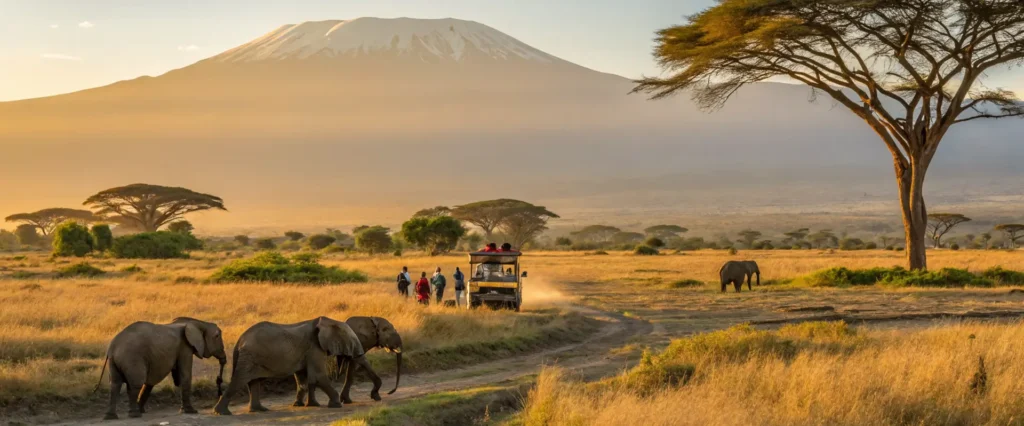
Kenya responsible travel protects wildlife, supports local communities, and preserves ecosystems for future generations. Your choices directly impact conservation across East Africa. Sustainable tourism creates positive change while you explore Kenya’s landscapes.
Tourism revenue funds approximately 70% of conservation programs in Kenya. Your spending supports ranger salaries, anti-poaching units, and community projects. Responsible choices multiply these impacts while protecting what makes Kenya extraordinary.
Eco-Friendly Transportation Choices
Vehicle selection matters in Kenya responsible travel. Self-drive safaris reduce convoy congestion in parks. You control your environmental impact directly with independent travel.
Choose well-maintained 4×4 rental vehicles from responsible operators. Newer models meet emission standards and break down less frequently. Safari Masters maintains efficient engines through regular servicing.
Plan routes to minimize unnecessary driving. Multiple days in each location reduce fuel consumption significantly. Turn off engines during wildlife observations when safe. Idling wastes fuel and disturbs animals unnecessarily.
Supporting Local Communities Properly
Buy crafts directly from village cooperatives instead of airport shops. Artisans receive fair compensation through direct purchases. Eat at local restaurants near parks to support families.
Hire licensed local guides for cultural experiences. These jobs provide alternatives to habitat destruction. Safari Masters connects travelers with qualified guides throughout Kenya.
Stay at community-owned lodges when available. Profits return to villages managing wildlife corridors. Your fees fund schools, clinics, and water projects directly.
Smart Charitable Giving in Kenya
Avoid giving money or gifts directly to individuals, especially children. Direct handouts create dependency and encourage begging behaviors. This harms community development long-term.
Instead, donate through established organizations with transparent operations. Research charities supporting education, healthcare, or conservation in Kenya. Reputable NGOs include African Wildlife Foundation, Kenya Wildlife Service, and Save the Elephants.
Support schools by donating through official channels. Many lodges partner with local schools for verified contributions. Ask your tour operator about legitimate community projects needing support.
Purchase from social enterprises that reinvest profits locally. These businesses provide employment while funding development initiatives. Transparency distinguishes genuine programs from exploitation.
Wildlife Viewing Ethics
Maintain proper distances from all wildlife. Close approaches stress animals and alter natural behaviors. Park regulations specify minimums for safety and conservation.
Never feed wildlife under any circumstances. Human food harms animal health and creates dangerous dependencies. Stay inside vehicles except at designated areas.
Avoid loud noises or sudden movements near animals. Patient watching reveals natural interactions rushed tourists miss. Never chase animals for photographs or better angles.
Report wildlife harassment to park authorities immediately. Your reports help enforce regulations protecting Kenya’s animals.
Minimizing Environmental Impact
Pack reusable water bottles instead of buying plastic daily. Kenya generates significant waste from tourism. Bring all trash out of parks with you.
Use biodegradable soaps at campsites. Chemical products contaminate water sources wildlife depends upon. Conserve water throughout travels since Kenya faces regular droughts.
Stay on designated roads within parks. Off-road driving damages vegetation and soil. Recovery takes years in fragile ecosystems.
Camp only in official sites with established facilities. Wild camping increases human-wildlife conflicts and destroys habitat.
Choosing Responsible Operators
Select companies with demonstrated environmental commitments. Verify proper insurance and licensing before booking. Legal operations follow regulations protecting parks.
Read recent reviews focusing on environmental practices. Check whether operators respect park rules and employ local staff fairly. Tanzania safety considerations apply for cross-border trips.
Ask about vehicle maintenance schedules. Well-serviced vehicles prevent breakdowns in sensitive areas. Responsible operators invest in fleet quality and staff training.
Sustainable Accommodation Options
Select eco-lodges with solar power and water conservation. Community-owned campsites provide authentic experiences with conservation benefits. Safari Masters offers camping equipment for sustainable stays.
Choose accommodations employing local staff and sourcing food regionally. This reduces transportation emissions while supporting communities. Avoid facilities keeping captive wildlife for entertainment.
Responsible Travel Checklist
Before Departure:
- Research sustainable operators
- Book eco-friendly vehicles
- Purchase carbon offsets
- Pack reusable items
During Your Safari:
- Follow park regulations
- Support local businesses
- Respect wildlife distances
- Conserve resources
After Returning:
- Share responsible practices
- Leave honest reviews
- Support conservation organizations
Start Your Sustainable Kenya Safari
Safari Masters facilitates sustainable self-drive adventures throughout East Africa. We provide the vehicles, knowledge, and support for responsible exploration. Together we ensure future generations enjoy Kenya’s natural wonders.
Ready to explore Kenya responsibly? Contact Safari Masters today. Book your sustainable safari with operators who prioritize conservation over profit. Your adventure makes a genuine difference.
