


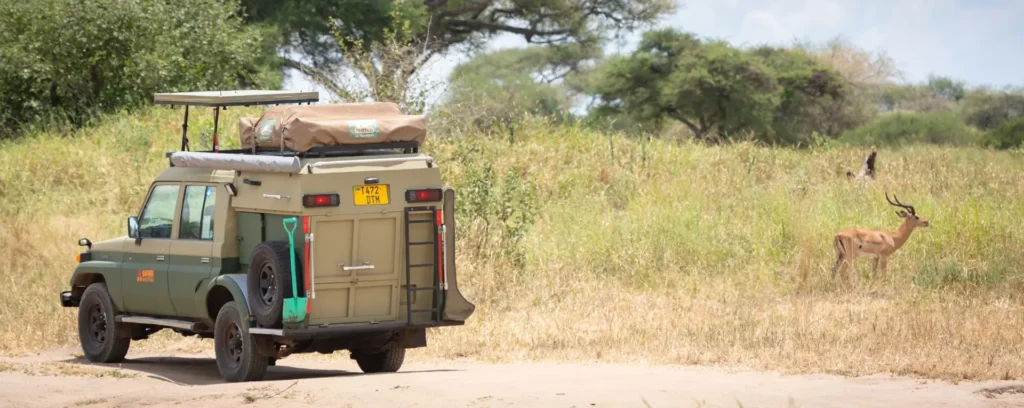
Driving in Tanzania gives adventurous travelers total freedom to explore East Africa’s amazing landscapes and wildlife. The country is welcoming self-drive tourists these days, with better roads and easy access to national parks. But you really need to get the local driving conditions to stay safe and have fun.
Tanzania driving is nothing like what you’re used to in the West. Traffic doesn’t follow strict rules like in developed countries, it is pretty unpredictable. You will need patience and defensive driving to get by. Most people adjust after a couple of days.
Self-drive safaris draw thousands of tourists to Tanzania every year. You set your own schedule, stopping whenever you spot wildlife or killer views. That kind of freedom gives you real, authentic experiences you can’t get on guided tours. Safari Masters has been making self-drive adventures easy across Tanzania for over 14 years.
Tanzania Driving License Requirements for Self-Drive Safaris
No matter where you’re from, you need the right docs to drive legally in Tanzania. Knowing the license rules saves headaches at police stops or rental spots. Foreign licenses and International Driving Permits (IDPs) are key.
Using Your Foreign License
Your home country license works for driving in Tanzania short-term. Bring an IDP as well.
What is an International Driving Permit?
An IDP doesn’t replace your home license, it just backs it up. Get one from your country auto association before you leave. Tanzania accepts IDPs from the 1949 Geneva Convention.
Carrying Your Documents
Always carry your original license and your IDP. Cops check them at checkpoints all over Tanzania. Bring the originals, not copies.
How Long Does an IDP Last?
Your IDP is good for one year from the issue date in Tanzania. Tourist visas usually cap stays at 90 days, so most safaris fit easily. Some say you need six months minimum, but one-year ones work fine, double-check with your rental company when booking.
Minimum Driving Age and Legal Requirements
Tanzania legally permits driving from age 18 for citizens and residents. However, rental companies impose higher age limits for tourists. At Safari Masters, drivers must be at least 23 years old.
Verify age policies when booking 4×4 vehicles.
Traffic Rules and Regulations in Tanzania
Tanzania enforces traffic regulations protecting road users and pedestrians. Understanding these rules prevents fines and legal complications. Police monitor compliance actively throughout the country.
Side of the Road and General Driving Orientation
Tanzania follows left-hand traffic patterns inherited from British colonial influence. Vehicles drive on the left side of roads throughout the country. Steering wheels are on the right side of vehicles.
American and European drivers require adjustment time for left-hand driving. Roundabouts prove particularly challenging initially. Practice in quiet areas before tackling busy urban roads.
Highway signs and road markings support left-hand traffic flow. Stay alert constantly during your first days. The adjustment becomes natural after several days of regular driving.
Speed Limits Explained
Speed limits in Tanzania vary by road type and location. Understanding these limits helps avoid fines and accidents. Police carry out regular speed checks.
Standard Speed Limits:
- Urban areas: 50 km/h maximum
- Rural highways: 80-100 km/h depending on conditions
- National parks: 50 km/h maximum
- School zones: 30 km/h during school hours
- Construction zones: As posted (typically 30-40 km/h)
Police conduct manual speed checks on highways using radar guns. Fines apply immediately for violations at checkpoints.
Road conditions often necessitate driving below posted limits. Potholes, pedestrians, and livestock appear unexpectedly. Adjust speeds based on visibility and surface conditions.
Alcohol, Phone Use and Safety Laws
Tanzania enforces strict regulations regarding impaired and distracted driving. Violations result in immediate fines or arrest. Understanding these laws prevents serious legal problems.
Alcohol Laws: The legal blood alcohol limit is 0.08% in Tanzania. However, any detectable alcohol during serious accidents triggers legal action. Avoid drinking entirely if planning to drive.
Police conduct random breath tests at checkpoints. Refusing breath tests results in automatic arrest. Drunk driving penalties include substantial fines and potential imprisonment.
Mobile Phone Restrictions: Using handheld mobile phones while driving remains illegal throughout Tanzania. Hands-free devices provide the only legal option for phone conversations. Texting while driving incurs heavy fines.
Police target mobile phone violations during checkpoint operations. Keep phones stored while operating vehicles. Pull over completely before making calls or checking messages.
Seatbelt and Child Safety Requirements
Seatbelt laws in Tanzania require all vehicle occupants to buckle up. Front seat passengers must wear seatbelts at all times. Rear seat requirements apply though enforcement varies.
Police check seatbelt compliance at checkpoints regularly. Violations result in on-the-spot fines. Ensure all passengers buckle up before starting journeys.
Child Safety Requirements: Children under certain ages must use appropriate car seats in Tanzania. Enforcement varies but compliance protects young passengers. Safari Masters provides child seats free on request.
Infants require rear-facing car seats. Toddlers and young children need forward-facing seats with harnesses. Older children use booster seats until reaching appropriate height.
Police Checkpoints and Enforcement
Police checkpoints appear regularly throughout Tanzania on major routes. These serve both security and traffic enforcement purposes. Understanding checkpoint procedures reduces stress during encounters.
Stop completely when officers signal. Remain calm and polite regardless of circumstances. Present documents when requested without argument or complaint.
What to Carry: Have all required documents organized and accessible. Officers verify licenses, insurance, vehicle registration, and tourist permits. Missing documents result in fines or vehicle impoundment.
Checkpoint Interaction: Answer questions politely and directly. Provide documents as requested. Do not offer money unless official receipts accompany fines. Request written citations for any violations.
Legitimate checkpoints occur frequently and serve security purposes. However, resist any bribery requests politely but firmly. Note officer names and badge numbers if interactions become uncomfortable.
Understanding Road Conditions Across Tanzania
Tanzania’s road network varies dramatically in quality and maintenance. Planning routes requires understanding these variations. Road conditions significantly impact travel times and vehicle requirements.
Major Highways vs Secondary Roads
Paved highways connect Tanzania’s major cities reliably. The Dar es Salaam to Dodoma route features good tarmac throughout. Arusha connections also maintain reasonable pavement quality.
Key Paved Routes:
- Dar es Salaam to Dodoma (486 km)
- Dar es Salaam to Arusha (648 km via Moshi)
- Arusha to Moshi (80 km)
- Dar es Salaam to Mbeya (via Morogoro and Iringa)
These highways support standard vehicles during dry seasons. However, potholes appear frequently after heavy rains. Speed must decrease significantly in damaged sections.
Secondary roads range from maintained gravel to barely passable tracks. Many rural connections lack pavement entirely. Rainy seasons transform these routes into muddy challenges requiring 4×4 vehicles.
Rural and Safari Routes
Safari circuits and remote areas demand high-clearance 4×4 vehicles. Roads to Serengeti, Ngorongoro, and southern parks feature rough gravel and dirt. Standard sedans cannot access these destinations safely.
Northern Circuit routes from Arusha to Serengeti pass through varied terrain. Initial sections maintain decent gravel. However, park approaches deteriorate significantly during wet months.
Safari Route Conditions:
- Arusha to Serengeti: tarmac to Lodoare Gate, then gravel, about 335 km
- Ngorongoro Crater access: Steep, rough tracks
- Tarangire approaches: Reasonable gravel
- Southern parks (Ruaha, Nyerere National Park, the former Selous): Very rough, 4×4 essential
Seasonal differences dramatically affect safari route conditions. Dry months from June through October provide best accessibility. Rainy seasons from March through May create muddy, sometimes impassable conditions.
Weather Impact on Road Conditions
Tanzania’s rainy seasons transform road conditions throughout the country. Heavy downpours create flooding and deep mud on unpaved routes. Even paved highways develop hazards during intense rains.
Long Rains (March to May): This period brings heaviest rainfall across Tanzania. Many secondary roads become impassable without 4×4 capability. Some remote areas close to vehicle traffic entirely.
River crossings increase in difficulty or become impossible. Plan alternative routes and allow extra time. Safari circuits remain accessible but require serious 4×4 vehicles.
Short Rains (November to December): Brief afternoon showers characterize this period. Roads dry quickly between storms. However, overnight rains create morning mud challenges.
Dry seasons provide optimal driving conditions throughout Tanzania. Roads remain firm and river crossings pose minimal difficulty. This represents the ideal time for self-drive safaris.
Essential Safety Tips for Driving in Tanzania
Safe driving in Tanzania requires awareness and preparation. Understanding local conditions and potential hazards prevents accidents and problems. These practices prove essential for all drivers.
Defensive Driving Practices
Defensive driving becomes critical throughout Tanzania. Other drivers may not follow predictable patterns or rules. Anticipate unexpected maneuvers constantly.
Maintain generous following distances allowing emergency stops. Tanzanian drivers often brake suddenly without warning. Extra space provides reaction time for sudden situations.
Assume other vehicles may not yield right-of-way. Proceed cautiously at intersections even with green lights. Aggressive drivers create hazards through risky overtaking and speeding.
Watch for pedestrians, cyclists, and motorcycles constantly. These road users appear unexpectedly in traffic lanes. Reduce speeds in populated areas allowing reaction time.
Livestock and domestic animals wander onto roads frequently. Cattle, goats, and chickens appear without warning. Hitting animals creates liability regardless of circumstances.
Avoid Night Driving When Possible
Night driving in Tanzania presents serious safety challenges. Poor road lighting and unmarked hazards create dangerous conditions. Plan daily routes reaching destinations before dark.
Night Driving Hazards:
- Unlit vehicles and pedestrians
- Animals crossing roads
- Potholes and road damage invisible in darkness
- Reduced emergency service availability
- Increased crime risk in remote areas
Most lodges and campsites close gates at sunset. Arriving after dark may result in denied entry. Plan conservative travel times ensuring daylight arrivals.
Emergency travel only justifies night driving in Tanzania. If unavoidable, reduce speeds significantly below daytime levels. Maintain extreme vigilance for all potential hazards.
Wildlife and Hazard Awareness
Wildlife crossings occur throughout Tanzania, not just in national parks. Elephants, giraffes, and various antelope species cross roads in rural areas. These encounters require careful management.
Reduce speeds when wildlife warning signs appear. Animals cross unpredictably without looking for vehicles. Large mammals can total vehicles in collisions.
Park Driving Precautions: National parks enforce 50 km/h speed limits strictly. This protects both wildlife and visitors. Rangers issue fines for speeding violations.
Never exit vehicles except at designated areas in parks. Wildlife appears calm but remains dangerous. Lions, elephants, and buffalo can attack without warning.
Maintain 25-meter minimum distances from all wildlife. Closer approaches stress animals and violate park regulations. Use binoculars and zoom lenses for observation.
Emergency Preparedness
Vehicle breakdowns happen occasionally on Tanzania’s challenging roads. Preparation reduces stress and danger during mechanical failures. Carry essential emergency supplies always.
Essential Emergency Kit:
- First aid supplies (comprehensive)
- Two spare tires (properly inflated)
- Jack and lug wrench
- Jumper cables
- Basic tool set
- Flashlight with extra batteries
- Reflective warning triangles
- Fire extinguisher
- Extra water (20 liters minimum)
- Non-perishable food
Emergency Contact Numbers:
- Police emergency: 112
- Ambulance: 112
- Fire: 112
- Call Safari Masters’ 24/7 support line. You’ll find the number in your rental agreement and on our Contact page.
Mobile coverage exists on main highways but disappears in remote areas.
Navigation and Route Planning
Successful Tanzania road trips require proper navigation tools and planning. GPS technology helps but limitations exist in remote areas. Understanding navigation options prevents getting lost.
GPS, Offline Maps and Connectivity
GPS navigation systems work throughout Tanzania with downloaded offline maps. Google Maps offline mode provides reliable guidance on major routes. Dedicated GPS units offer backup options for remote areas.
Download maps before departing on safari circuits. Internet connectivity disappears in national parks and rural areas. Offline navigation becomes essential during these periods.
Recommended Navigation Tools:
- Google Maps (download Tanzania offline)
- Maps.me (free offline maps)
- Dedicated GPS units (Garmin models)
- Paper maps (backup option)
- Safari Masters route guides (provided)
Road signage appears inconsistently outside major tourist corridors. Many turnoffs lack clear marking or identification. GPS coordinates help locate specific destinations accurately.
Mobile networks provide coverage on major highways. However, parks and remote areas lack cellular service entirely. Plan navigation without assuming internet availability.
Recommended Driving Routes in Tanzania
Tanzania offers spectacular self-drive routes showcasing diverse landscapes and wildlife. These popular circuits suit independent travelers with proper vehicles. Plan adequate time for each route segment.
Northern Safari Circuit:
- Arusha → Tarangire (118 km, 2 hours)
- Tarangire → Lake Manyara (70 km, 1.5 hours)
- Lake Manyara → Serengeti (200 km, 5 hours via Ngorongoro)
- Serengeti to Ngorongoro Crater (145 km, 4 hours)
- Ngorongoro to Arusha (180 km, 3.5 hours)
This circuit requires 7-10 days minimum for proper exploration. Roads range from paved to rough gravel. 4×4 vehicles prove essential throughout.
Southern Circuit:
- Dar es Salaam → Nyerere National Park, former Selous (230 km, 5-6 hours)
- Nyerere → Ruaha (challenging route, 4×4 required)
Coastal Routes:
- Dar es Salaam → Bagamoyo (75 km, 1.5 hours)
- Dar es Salaam → Zanzibar ferry (2.5 hours ferry crossing)
Each route presents unique challenges and rewards. Research specific conditions before departure. Safari Masters provides detailed route guidance for all circuits.
Vehicle Selection and Rental Tips
Choosing appropriate vehicles determines safari success in Tanzania. Road conditions demand high-clearance 4×4 capability. Understanding rental requirements helps secure proper transportation.
Choosing the Right Vehicle Type
4×4 vehicles with high ground clearance prove essential for Tanzania safaris. Standard cars cannot access national parks safely. Rough roads and river crossings require serious off-road capability.
Vehicle Requirements:
- Four-wheel-drive capability
- Minimum 20cm ground clearance
- Roof hatch for wildlife viewing
- Two spare tires and jack
- Recovery equipment
- Vehicle insurance papers (supplied with the car)
Toyota Land Cruisers dominate Tanzania’s safari market for good reasons. These vehicles handle rough terrain reliably. They offer ground clearance for challenging obstacles.
Safari Masters provides well-maintained Land Cruisers from $170 per day. Every car carries recovery equipment, and insurance costs $10 per day. Each undergoes thorough mechanical inspection before rentals.
Renting a Car in Tanzania
Rental agreements require careful review before signing. Understanding terms prevents disputes and unexpected charges. Verify all details during vehicle collection.
Rental Contract Checklist:
- Daily rate and total cost
- Insurance coverage details
- Mileage limitations (unlimited preferred)
- Fuel policy (full-to-full standard)
- Additional driver fees
- Cross-border permissions
- Breakdown assistance provisions
- Damage assessment procedures
Inspect vehicles thoroughly before accepting. Document existing damage with photos from multiple angles. Verify spare tire inflation and tool presence.
Insurance Considerations: Comprehensive insurance covers damage to rental vehicles from accidents and theft. This protection proves valuable given Tanzania’s challenging conditions. With Safari Masters, insurance costs $10 per day and carries a $1,000 excess.
We take a $1,000 security deposit by credit card at pickup. Third-party liability insurance remains legally mandatory.
Border Crossing with Rental Vehicles
Tanzania shares borders with Kenya, Uganda, Rwanda, Burundi, and other nations. With Safari Masters, trips into Kenya, Uganda and Rwanda are easy to book. Our team arranges the paperwork and guidance.
Cross-Border Requirements:
- Advance notification to rental company
- COMESA Yellow Card insurance
- Border crossing permits
- Border crossing fees (they vary, so we confirm them when you book)
- Vehicle registration documents
Safari Masters arranges cross-border insurance at $10 per day, plus a COMESA Yellow Card. Notify us during booking about intended border crossings. Some rental agreements prohibit cross-border travel without permission.
Dealing with Breakdown or Accidents
Vehicle problems happen occasionally despite proper maintenance. Understanding breakdown procedures reduces stress during mechanical failures. Preparation helps manage these situations effectively.
What to Do If You Break Down
Move vehicles off the road immediately if possible. Activate hazard lights alerting other drivers. Place warning triangles 50-100 meters behind your vehicle.
Breakdown Steps:
- Move to safe location off road
- Activate hazard warning lights
- Place warning triangles
- Contact rental company immediately
- Do not attempt major repairs
- Wait with vehicle in safe area
- Do not accept unsolicited help
Safari Masters provides 24/7 roadside assistance throughout Tanzania. Our emergency response team arranges repairs or replacement vehicles. Contact us immediately when breakdowns occur.
As noted above, expect no mobile signal in most parks. Plan important calls before you enter a park.
Legal and Insurance Action Steps
Accidents require immediate reporting regardless of severity. Police reports become necessary for insurance claims. Follow proper procedures protecting your legal position.
Accident Procedures:
- Stop immediately (never leave scene)
- Check for injuries (provide first aid if trained)
- Call police (112)
- Exchange information with other parties
- Photograph damage from multiple angles
- Do not admit fault or sign documents
- Contact rental company immediately
- Obtain police report for insurance
Serious injuries require ambulance transport to hospitals. Dar es Salaam and Arusha offer best medical facilities. Medical evacuation insurance proves valuable in remote areas.
FAQs – Driving in Tanzania
Do tourists need an IDP?
Yes. Bring your valid home driving license. You also need an IDP. IDPs supplement licenses providing translation and verification. Apply through automobile associations in your country before departure.
Is it safe to drive at night?
No, night driving presents serious safety challenges throughout Tanzania. Poor lighting, unmarked hazards, and increased crime risks make night travel dangerous. Plan routes reaching destinations before dark. Emergency travel only justifies night driving.
Can I self-drive in national parks?
Yes, self-drive is permitted in most Tanzanian national parks. However, strict regulations apply including 50 km/h speed limits. Some parks require registered guides. Verify specific park requirements before entry. 4×4 vehicles prove essential for park access.
What are common driving fines?
Traffic fines are fixed amounts in Tanzanian shillings. Police issue an electronic ticket, and you must pay it within 7 days. Request written citations for all violations.
Final Tips and Planning Checklist
Successful Tanzania driving requires thorough preparation and proper documentation. Review your documents and gear before you set off on safari.
Ready for your Tanzania adventure? Contact Safari Masters for fully equipped 4×4 rentals and comprehensive support. Our 14 years facilitating East African self drive safaris ensure smooth, safe driving throughout Tanzania. Your unforgettable journey begins with proper preparation.