


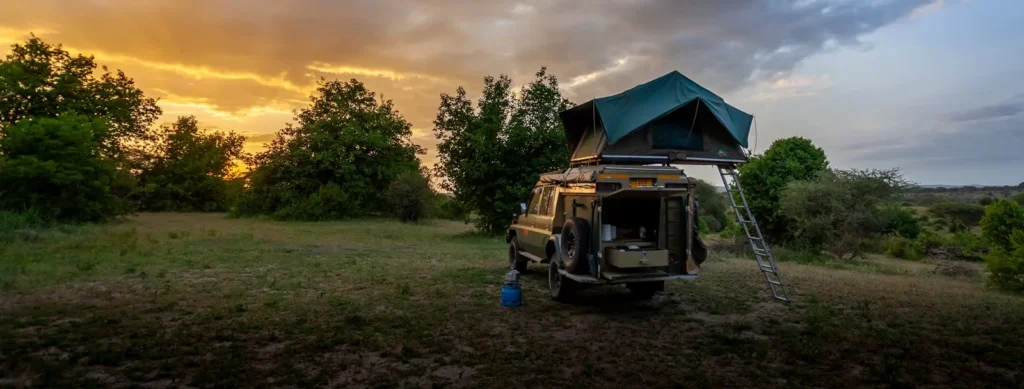
Uganda offers incredible wildlife, mountain gorillas, and open self-drive roads all year long. Knowing the best time to visit Uganda helps you plan smarter. Your priorities drive the answer.
What you want to do and how much rain you can handle both matter.
This guide breaks down the seasons, activities, and costs so you can pick your perfect travel window. Whether you plan to trek gorillas or run a self-drive trip, timing makes all the difference.
Uganda rewards flexible travelers. Dry months bring predictable weather but higher costs. Wet months deliver lush scenery and budget-friendly rates. Understanding these trade-offs helps you plan smarter.
Best Time to Visit Uganda – Quick Overview
Uganda has two main dry seasons and two wet seasons each year. The dry months bring easier roads and clearer skies. The wet months turn the landscape green and bring fewer crowds.
Peak dry seasons: June through September and December through February. These are the best for gorilla trekking, chimp tracking, and self-drive safaris.
Wet seasons: March through May and October through November. Rain falls heavily but parks stay lush and costs drop.
Quick Tip: Pick dry months if road access and predictable weather matter most. Pick wet months if budget and green scenery rank higher.
Uganda Climate and Seasons Explained
Uganda sits on the equator, so temperatures stay warm throughout the year. Daytime highs hover around 24 to 30 degrees Celsius in most regions. Highland areas like Bwindi and the Rwenzori Mountains stay cooler.
The country follows a predictable rainfall pattern. The first dry season runs from December to February. The second dry season stretches from June to September. Between these windows, rain arrives in two waves.
March through May brings the long rains. Roads turn muddy and some tracks inside parks close temporarily. October and November deliver shorter but still heavy downpours. Wildlife viewing remains strong during both wet periods.
Humidity rises during wet months, especially in lowland parks like Murchison Falls and Queen Elizabeth. Highland regions stay cooler, though they still get plenty of rain. Pack layers regardless of when you travel.
Understanding these seasonal patterns helps you pick the best time to visit Uganda for your needs.
Month-by-Month Breakdown
Each month in Uganda carries its own balance of weather, crowds, and road conditions. Picking the best time to visit Uganda starts with understanding these monthly shifts.
| Month | Weather & Notes |
| January–February | Dry. Great for gorillas, self-drive safaris, hiking. Roads are in good shape. |
| March–May | Wet. Lush parks, fewer tourists, muddy roads. Good for birding and budget trips. |
| June–September | Peak dry season. Best visibility, busiest parks, highest prices. Excellent for all activities. |
| October–November | Short rains begin. Still good for wildlife, some mud returns. Prices drop slightly. |
| December | Mostly dry. Parks stay green after the rains. December peaks with holiday travel. |
June Through September – Peak Dry Season
June through September marks the peak season across Uganda. Rainfall drops sharply in most regions, though Bwindi still sees showers. Wildlife congregates around permanent water sources inside national parks.
Self-drive roads dry out during these months. Murchison Falls and Queen Elizabeth National Park both see heavy visitor traffic. Gorilla permits sell out months in advance.
Prices hit their annual highs in July and August. Lodges, campsites, and vehicle rentals all charge premium rates. Book everything at least four months ahead if you plan to travel during this window.
The northern parks like Kidepo Valley shine during these months. Dust settles, visibility improves, and game tracking becomes predictable. Many travelers consider this the best time to visit Uganda overall. Safari Masters runs the majority of self-drive bookings during this peak stretch.
December Through February – Holiday Dry Season
December through February delivers the second major dry window. Temperatures stay warm and rainfall stays low across the country. Christmas and New Year holidays bring a surge of international visitors.
Gorilla trekking permits move fast during late December and early January. Families on school break fill up lodges and campsites quickly. Roads to Bwindi and Mgahinga are at their easiest, though they stay steep and rough.
February sees slightly fewer crowds than December and January. Prices remain high but availability opens up a bit. Self-drive travelers find this month ideal for flexibility and strong weather.
Wildlife viewing stays strong throughout this entire period. Elephants, lions, and buffalo stick close to rivers and lakes. Bird populations remain active, though migratory species have mostly left by February.
March Through May – Long Rains
March through May brings the long rainy season to Uganda. Showers fall almost daily, especially in April. Parks turn lush and green, but roads deteriorate quickly.
Budget travelers benefit from significant price cuts during these months. Lodges drop rates by up to 30 percent in some cases. Campsites stay open but visitor numbers plummet.
Gorilla trekking continues without interruption. Trails turn muddy and slippery, so proper boots and rain gear become essential. Permits remain available with far less advance booking required.
Self-drive safaris face real challenges in April and May. Some park tracks close entirely when mud becomes impassable. A strong 4×4 with high clearance is non-negotiable during this period. Safari Masters advises clients on route adjustments when booking wet-season trips.
Best Time to Visit Uganda for Gorilla Trekking
Gorilla trekking in Bwindi Impenetrable Forest and Mgahinga runs year-round. The dry months of June to September and the second dry season, which runs from December to February, bring the easiest trekking conditions.
Dry trails make hiking easier and faster. Mud levels drop, and visibility improves inside the forest. Permits sell out months in advance during these peak windows.
Each gorilla family lives in a specific sector of Bwindi or Mgahinga. Trackers lead small groups of eight visitors per family each day. The trek can last anywhere from one to six hours depending on where the gorillas are that morning.
Weather does not affect gorilla behavior. They move and feed regardless of rain or sun. Your hiking comfort changes with the season, but the gorillas themselves do not.
For many trekkers, the dry months represent the best time to visit Uganda for this activity. Trails stay safer and mud levels drop across all trekking sectors.
Can you trek during wet months? Absolutely. Rain does not stop the gorillas or the treks. Trails turn slippery, but guides adjust routes to keep things safe. Gorilla permits also drop to $600 in April, May and November.
Safari Masters handles all gorilla permit bookings well ahead of your trip. Book at least four to six months out for dry-season dates.
Best Time to Visit Uganda for Self-Drive Safaris
Self-drive safaris work best during dry-season months. Road conditions inside parks like Queen Elizabeth, Murchison Falls, and Kidepo Valley improve dramatically when rain stops.
June through September and again from December through February bring the driest roads. Tracks dry out, game viewing roads stay open, and your 4×4 rental faces fewer muddy stretches.
Wildlife sightings peak during dry months because animals cluster around limited water sources. Elephants, buffalo, and antelope gather at rivers and lakes. This concentration makes tracking easier for self-drive travelers.
Wet months scatter wildlife across wider areas. Grass grows tall and visibility drops inside certain parks. However, predators remain active and birdlife explodes during these greener months.
Wet-season self-drive: Still possible but requires a capable 4×4 and flexible plans. Some park loops close during heavy rains. Safari Masters provides fully equipped vehicles ready for wet or dry conditions. Check our 4×4 car rental Uganda page for vehicle options.
For detailed route guidance and road timing, visit our driving in Uganda resource.
Best Time to Visit Uganda for Budget Travelers
The cheapest months fall during the wet seasons. March through May and October through November bring discounted lodge rates and lower campsite fees. If budget matters most, these months mark the best time to visit Uganda for cost-conscious travelers.
Parks stay open and wildlife remains active. You just trade perfect roads for muddy tracks and occasional downpours. Budget self-drive travelers save significantly during these months.
Campsites inside national parks stay affordable year-round, but lodge prices swing dramatically. A mid-range lodge might charge $150 per night in June and drop to $100 in April. Vehicle rental rates stay more stable across seasons.
Gorilla permits also cost less in the low season. UWA charges $600 instead of $800 in April, May and November. Accommodation brings further savings.
For a full cost breakdown, check our Uganda self-drive cost guide.
Budget Tip: Book lodges and vehicles at least two months ahead even in low season. Last-minute deals exist but availability tightens fast.
Best Time to Visit Uganda for Families and First-Timers
Families and first-time visitors benefit most from dry-season travel. June through September and December through February offer the smoothest roads and the most predictable weather. Many parents consider this the best time to visit Uganda with kids.
Kids handle long drives better when roads stay dry. Health risks from heavy rain also drop during these months. School holidays in Europe and North America align well with these dry-season windows.
Children aged 15 and older can join gorilla treks. Younger children can enjoy boat safaris on the Nile. Game drives in Queen Elizabeth National Park work well for all ages.
The best time to visit Uganda with a family often falls in June, July, or August. Roads stay predictable and lodges cater well to children during these months.
Safari Masters offers family-friendly itineraries that balance wildlife viewing with shorter driving days. Dry months make these multi-park trips far more manageable for families with young kids.
Safety is always a priority. For current advice, visit our Is Uganda safe? page.
Best Time to Visit Uganda – Frequently Asked Questions
What Is the Dry Season in Uganda?
The Uganda dry season runs from June to September and again from December to February. These months bring less rain and better road conditions across the country.
When Is the Best Time to Visit Uganda for Gorillas?
June through September and December through February offer the easiest gorilla trekking conditions. Trails stay drier and permits sell out faster during these months.
When Is the Best Time to Visit Uganda for Safaris?
Self-drive safaris work best from June through September and December through February. Roads dry out and wildlife congregates near water sources during these windows.
Can I Visit Uganda in the Rainy Season?
Yes. Parks stay open and activities continue year-round. Roads turn muddy and some tracks close temporarily, but wildlife viewing remains strong. Prices drop during wet months.
When Is the Cheapest Time to Visit Uganda?
March through May and October through November bring the lowest prices. Lodges and campsites cut rates significantly during these wet-season months. Budget travelers often find this the best time to visit Uganda without breaking the bank.
Is It Safe to Visit Uganda All Year Round?
Yes, with standard travel precautions. Road conditions change with the rain, but parks and permits stay accessible. Always check updated travel advice before departure.
Can I Do a Self-Drive Safari in Uganda During the Wet Season?
Yes, but you need a strong 4×4 and flexible plans. Some park roads close in heavy rain. Safari Masters equips all rentals for wet or dry conditions.
How Far in Advance Should I Book for Peak Season?
Book gorilla permits and campsites four to six months ahead for June through September and December through February. Safari Masters handles all permit logistics through our Uganda national parks booking service.
What Months Should I Avoid in Uganda?
No month is off-limits. April and May bring the heaviest rains, so roads turn tough. If you want the driest conditions, skip those two months.
The best time to visit Uganda depends entirely on your priorities. Dry months deliver easier roads and clearer skies. Wet months bring lower costs and greener landscapes. Safari Masters has run self-drive Uganda trips for over 14 years. Reach out today and we will help you pick the right window for your plan.