


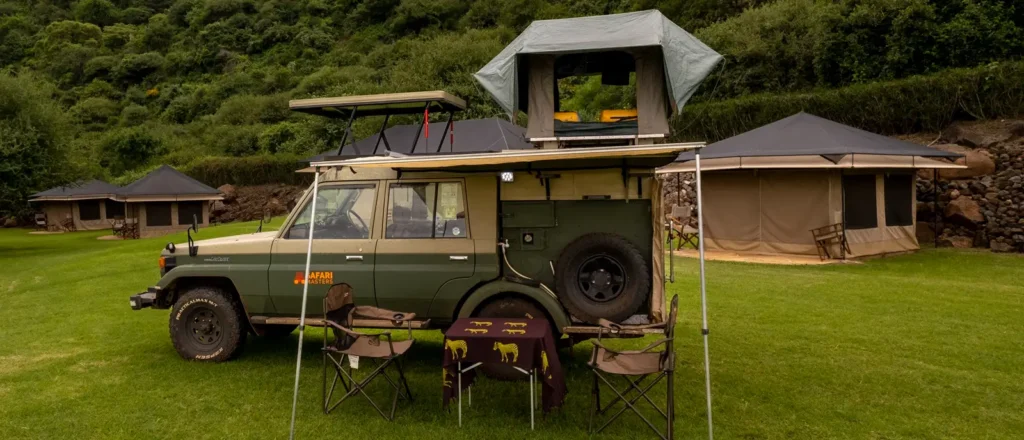
Uganda wildlife and communities are precious resources worth protecting. Uganda responsible travel ensures your safari leaves a positive impact. Self-drivers move deep into parks and villages where your choices matter most.
Read this guide before you drive into Uganda wild places. These tips help you explore ethically and respectfully.
Respecting Wildlife & National Parks
Safely Observing Animals
Keep a safe distance from all animals you encounter. Never feed wildlife or throw food from your vehicle. Loud noises and sudden movements disturb animals and disrupt their behaviors.
Use binoculars instead of driving dangerously close to herds. Rangers will guide you on safe viewing distances.
Park Rules & Ranger Guidance
Follow every instruction rangers give you inside national parks. Stay on marked roads and never drive off-road to chase animals. Off-roading damages vegetation and destroys habitats.
Do not litter or discard any waste inside parks. Carry all your trash out when you leave.
Gorilla & Chimp Trekking Ethics
Maintain complete quiet during gorilla and chimpanzee trekking. Avoid flash photography that startles these primates. Follow every signal your tracker gives you.
Wear masks and respect all health protocols strictly. Human diseases transfer easily to great apes.
No Wildlife Souvenirs
Avoid buying wildlife-based souvenirs like ivory, fur, or reptile skins. These products fuel poaching and illegal trade. Choose certified crafts from local artisans instead.
Safe & Respectful Interaction with Communities
Ask Before Taking Photos
Always ask permission before photographing people, homes, or sacred sites. Respect refusals immediately and move on. Avoid poverty tourism that treats communities like exhibits.
People deserve dignity and respect regardless of their circumstances.
Hiring Local Guides & Artisans
Support local economies by hiring community guides for village experiences. Buy crafts directly from artisans instead of resellers. Safari Masters connects you with community-based projects across Uganda.
Local guides know their land better than anyone else can.
Cultural Sensitivity
Understand local customs, dress codes, and taboos before entering rural areas. Learn a few basic Luganda or English greetings to show respect.
Conservative dress works best in villages and smaller towns.
How to Donate Responsibly in Uganda
Donating Directly to Beggars vs. Organizations
Donating to street beggars is often not the best way to help. It can encourage begging as a long-term strategy instead of stable work. Money given on the street often goes unaccounted for.
Furthermore, it can put both you and the recipient in unsafe situations.
Donate to Local NGOs & Projects
Direct your donations toward trustworthy support channels like souluganda and many others. Local schools and education projects need supplies and funding. Child-care centers and orphanages operate on tight budgets.
Health clinics and hospitals in rural areas struggle with equipment shortages. Wildlife-conservation NGOs work to protect Uganda’s endangered species.
Always ask for registration numbers and impact reports before donating. Legitimate organizations provide this information willingly.
How Safari Masters Can Help You Donate
Safari Masters connects you with vetted local NGOs throughout Uganda. The team emphasizes transparency and impact-focused giving.
This approach ensures your generosity creates real, lasting change.
Alternative Ways to Help
Bring supplies like books, medical kits, or stationery instead of cash. Volunteer your skills through registered organizations if you have teaching or medical experience.
Hands-on help often creates more impact than money alone.
Minimizing Environmental Impact While Self-Driving
Reduce Waste & Plastic Use
Carry reusable water bottles, shopping bags, and containers everywhere. Recycle where facilities exist and avoid single-use plastics completely.
Many rural areas lack proper waste disposal systems.
Eco-Friendly Camping Practices
Use only designated campsites instead of setting up in the wilderness. Leave no trace behind when you pack up. Pack out all trash and camp waste every time.
Wildlife depends on clean, undisturbed habitats to survive.
Fuel Efficiency & Driving Safely
Maintain steady speeds and avoid unnecessary idling. Use your 4×4 responsibly on unpaved roads to prevent erosion. Aggressive driving damages ecosystems and increases fuel consumption.
Supporting Local Economies the Right Way
Choosing Local Businesses
Prioritize local lodges, restaurants, and markets over international chains. Money spent locally stays in the community. International chains funnel profits out of Uganda.
Your spending choices shape the places you visit.
Fair Pricing & Tipping
Tip fairly based on local wage levels and service quality. Avoid over-tipping that creates unrealistic expectations. Understand local tipping norms before you hand out cash.
Safari Masters’ Ethical Policies
Safari Masters supports local guides, drivers, and communities across every route. The company emphasizes transparency and mutual benefit in partnerships. Uganda responsible travel starts with choosing the right operating partner.
Frequently Asked Questions – Travel Uganda Responsibly
How can I travel Uganda responsibly?
Respect wildlife by keeping your distance and following park rules. Support local businesses and donate wisely to vetted organizations. Reduce waste and practice eco-friendly camping throughout your trip.
Is it wrong to give to beggars in Uganda?
It can encourage risky behavior and dependency rather than solutions. Donating to vetted NGOs is often more effective. Organizations handle funds transparently and reach people who need help.
What should I donate to in Uganda?
Schools, hospitals, child-care centers, and eco-conservation projects need support. Ask for registration numbers and impact reports before giving. Safari Masters can connect you with trustworthy local organizations.
How can I help communities without cash?
Bring supplies like books, medical kits, or stationery. Volunteer your professional skills through registered organizations if you have time. Hands-on contributions often create more meaningful impact.
What are some eco-tourism tips for Uganda?
Reduce waste by using reusable bottles and bags. Camp only at designated sites and pack out all trash. Drive efficiently and avoid aggressive off-road behavior.
How can I ensure I am not harming wildlife?
Keep safe distances and never feed animals. Follow all ranger instructions and stay on marked roads. Avoid buying wildlife-based souvenirs that fuel poaching.
How Safari Masters Promotes Responsible Travel
Safari Masters commits to conservation, community support, and ethical tourism. The company connects self-drivers with vetted local partners and sustainable practices.
Join Safari Masters for a self-drive safari that respects Uganda’s wildlife and people. Uganda responsible travel is the foundation of everything the team does.