


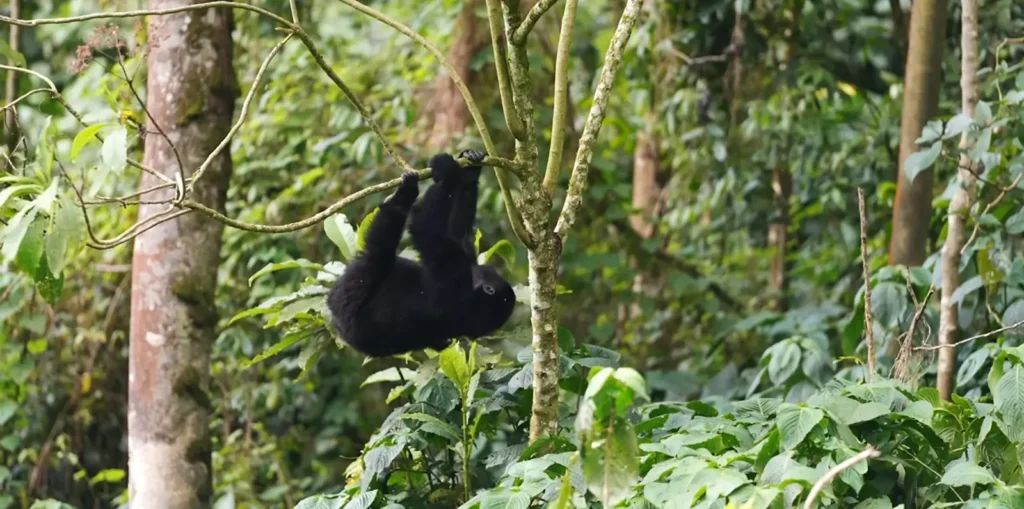
Locking eyes with a silverback gorilla changes you. Watching chimpanzees swing through Kibale Forest stays with you forever. Gorilla and chimpanzee trekking in Uganda delivers Africa’s most powerful wildlife encounters.
Uganda holds nearly half of the world’s remaining mountain gorillas. Fewer than 1,100 exist worldwide, and Bwindi Impenetrable Forest protects the largest population. Kibale Forest ranks as the primate capital of the world with 13 species.
Combine both experiences in one unforgettable safari. Track chimps in the morning, then drive south to trek gorillas the next day. Few countries offer both primates in such accessible proximity.
This guide covers permits, costs, best times, and booking logistics. Whether you plan a gorilla-only trek or a full combo safari, the information below prepares you completely.
Where to Trek Gorillas and Chimps in Uganda
Bwindi Impenetrable National Park
Bwindi hosts over 20 habituated gorilla families spread across four sectors. Buhoma, Rushaga, Nkuringo, and Ruhija each offer different terrain and difficulty levels.
Most gorilla trekking in Uganda happens here. Dense jungle and steep slopes define the landscape. Trekking difficulty varies by sector and gorilla family location.
Buhoma sits in the northern sector and offers the most developed lodge infrastructure. Rushaga in the south provides the highest number of gorilla families. Nkuringo challenges trekkers with the steepest climbs but rewards with stunning valley views.
Permits book independently per sector. Choose your sector based on fitness level, lodge preference, and travel route. Safari Masters advises on sector selection during trip planning.
Mgahinga Gorilla National Park
Mgahinga sits at the Uganda-Rwanda-Congo border. The Nyakagezi gorilla family roams here. Fewer crowds and dramatic volcanic scenery make this park special.
You can combine gorilla trekking with golden monkey tracking in Mgahinga. Travelers coming from Kigali often choose this park for easier access. Gorilla and chimpanzee trekking in Uganda often starts here for Rwanda-based visitors.
Kibale National Park
Kibale Forest holds the highest concentration of primates in Africa. Thirteen primate species live here including over 1,500 chimpanzees.
Chimpanzee tracking runs twice daily. Morning and afternoon sessions both offer excellent sighting chances. Chimp permits cost significantly less than gorilla permits.
Gorilla and Chimpanzee Trekking in Uganda – Overview
Gorilla and chimpanzee trekking in Uganda combines two distinct but equally thrilling primate encounters. Gorillas move slowly through dense jungle. Chimps swing energetically through forest canopies.
Both require permits issued by Uganda Wildlife Authority. Both demand reasonable fitness and proper gear. Both deliver unforgettable wildlife moments that justify every effort.
Most travelers choose combo safaris spanning five to seven days. This timeline allows comfortable travel between Kibale and Bwindi. Add Queen Elizabeth National Park for classic savanna game drives between primate treks.
Safari Masters specializes in gorilla and chimpanzee trekking in Uganda itineraries. We handle permits, logistics, and ground support for our trekkers.
Gorilla Trekking Permits in Uganda
Gorilla permits are mandatory for every trekker. Uganda Wildlife Authority issues all permits. Each permit allows one hour with a habituated gorilla family.
Foreign non-residents pay $800 per permit. In April, May and November, UWA offers a low-season rate of $600. East African residents pay reduced rates. Permits sell out months ahead during peak season.
Only eight people trek each gorilla family per day. Safari Masters secures permits well in advance for all clients. Visit our Uganda national parks permits page for current pricing.
Permit bookings require full passport details and payment upfront. UWA refunds are limited, so check its cancellation terms before you book. Travel insurance that covers permit costs protects your investment.
High-season months of June through September and December through February book fastest. Permits for these months can sell out four to six months ahead. Wet-season months offer better last-minute availability.
Permit Tip: Book permits at least four to six months ahead for dry-season travel. Last-minute availability rarely exists.
Chimpanzee Tracking Permits
Chimpanzee permits cost $300 per person in Kibale Forest. The low-season rate in April, May and November is $200. Budongo Forest and Kyambura Gorge also offer chimp tracking at lower rates.
Chimp permits stay available closer to travel dates than gorilla permits. Still, booking ahead secures your preferred date and avoids disappointment.
Kibale Forest runs two tracking sessions daily. Morning sessions start at 8 AM. Afternoon sessions depart at 2 PM. Both offer roughly equal success rates above 90 percent.
Travelers planning gorilla and chimpanzee trekking in Uganda combo trips should book both permits simultaneously. This ensures date alignment and smoother logistics between parks.
Cost of Gorilla and Chimpanzee Trekking in Uganda
Budget Trekking
Budget options for gorilla and chimpanzee trekking in Uganda combine permits with basic lodges or camping. Expect to pay $1,100 to $1,500 per person for a 3-day gorilla trek including transport and accommodation.
Add chimp tracking for an extra $300 to $400. Budget lodges near Bwindi and Kibale keep costs manageable. Check our camping in Uganda guide for affordable options.
Mid-Range Trekking
Mid-range safaris include comfortable lodges, private transport, and both permits. A 5-day gorilla and chimp combo runs $1,800 to $2,500 per person.
Lodges like Gorilla Safari Lodge and Four Gorillas Lodge sit in this category. Meals, hot showers, and reliable service come standard.
Luxury Trekking
Luxury gorilla trekking Uganda packages include high-end lodges, private guides, and premium transport. Expect $3,500 to $5,000 per person for a 5-day combo safari.
Lodges offer spa services, gourmet dining, and prime forest locations. Luxury clients often add extra nights for relaxation between treks.
Combo Safari Itineraries
Combining gorilla and chimpanzee trekking in Uganda creates the ultimate primate safari. Most combos run five to seven days.
The standard route starts in Kampala or Entebbe. Drive west to Kibale for chimp tracking first. Continue south through Queen Elizabeth National Park to Bwindi for gorilla trekking. Return via the same route or fly from Kihihi back to Entebbe.
5-Day Gorilla and Chimp Combo
| Day | Activity |
| Day 1 | Drive Kampala to Kibale (5-6 hours) |
| Day 2 | Chimp tracking morning, transfer to Bwindi (6-8 hours) |
| Day 3 | Gorilla trekking Bwindi |
| Day 4 | Optional second gorilla trek or community visit |
| Day 5 | Return to Kampala or Entebbe (8-10 hours) |
Speeds are often 30 to 50 km/h, so we recommend a night at Lake Mburo on the long drive back from Bwindi. Safari Masters designs custom itineraries matching your schedule and budget. Add Queen Elizabeth National Park for wildlife drives between Kibale and Bwindi.
Self-drive travelers cover this route in their own 4x4s. Check our self-drive Uganda page for route maps and driving times.
Seven-day itineraries add rest days, cultural visits, or extra wildlife parks. Ten-day trips combine primates with Murchison Falls or Kidepo Valley. Gorilla and chimpanzee trekking in Uganda scales to any timeline.
What to Expect During Gorilla Trekking
Gorilla treks start with an early morning briefing. Rangers assign you to a specific gorilla family based on fitness and preferences.
Hikes last anywhere from one to six hours depending on where gorillas slept the night before. Dense jungle, steep slopes, and muddy trails challenge most trekkers.
Trackers move ahead to locate the family. Rangers communicate via radio to guide your group. The final approach happens slowly and quietly through thick vegetation.
Once you find the family, you get one full hour with them. Silverbacks, females, juveniles, and babies all go about their daily routines just meters away.
Silverbacks weigh up to 200 kilograms and command complete respect. Females groom each other gently. Baby gorillas tumble and play like human toddlers. The family ignores you almost completely after initial curiosity.
Photography works well without flash. Keep voices low and follow ranger instructions precisely. The magic of this hour justifies every hard step getting there.
What to Expect During Chimp Tracking
Chimpanzee tracking starts similarly with a morning briefing. Groups set out through Kibale Forest following chimp calls and nesting sites.
Chimps move faster than gorillas and swing through trees. Expect to cover more ground during chimp tracking. The experience feels more active and dynamic.
You get one hour with the chimps once located. They vocalize loudly, groom each other, and occasionally charge branches playfully. The energy level far exceeds gorilla encounters.
Chimps display more human-like behavior than gorillas. Tool use, complex social hierarchies, and vocal communication all mirror human traits. Some travelers find chimps more relatable than gorillas.
Forest terrain in Kibale stays flatter than Bwindi slopes. Fewer elevation changes make chimp tracking physically easier for most people. The trade-off is more ground to cover at faster pace.
Best Time for Gorilla and Chimpanzee Trekking
Dry seasons from June to September and December to February offer the best conditions for gorilla and chimpanzee trekking in Uganda. Trails stay drier and hiking gets easier. Visit our best time to visit Uganda page for seasonal details.
Wet seasons bring fewer crowds and lower lodge rates. Rain makes trails slippery but gorillas and chimps stay active year-round. Gorilla permits also drop to $600 in April, May and November.
Trekking Difficulty and Fitness Requirements
Gorilla trekking demands moderate to high fitness. Steep terrain, altitude, and dense vegetation challenge most people. Hiring a porter helps significantly with balance and pack-carrying during gorilla and chimpanzee trekking in Uganda.
Chimpanzee tracking requires less elevation gain but more sustained walking. Kibale trails stay flatter than Bwindi slopes. Both activities suit reasonably fit travelers.
The minimum age for gorilla trekking is 15 years. Chimp tracking requires trekkers to be 12 or older. No upper age limit exists if fitness allows.
Uganda vs Rwanda Gorilla Trekking
Uganda gorilla permits cost $800. Rwanda charges $1,500 for the same experience. This price difference makes Uganda the value leader.
Both countries offer excellent gorilla encounters. Uganda provides more diverse safari extensions with chimps, tree-climbing lions, and savanna parks. Rwanda focuses primarily on gorillas with limited add-ons.
Booking Gorilla and Chimpanzee Trekking
Permits sell out fast during peak months. Book through licensed operators who secure permits directly from Uganda Wildlife Authority.
Safari Masters handles all permit bookings, lodge reservations, and transport logistics. We confirm availability before taking deposits. Payment processes stay secure and transparent.
Self-drive travelers can book permits independently then rent vehicles. Check our 4×4 car rental Uganda page for vehicle options. Roads to Bwindi require capable 4x4s.
Booking gorilla and chimpanzee trekking in Uganda together streamlines logistics. Single operators handle both permits, coordinate dates, and plan efficient routes between parks.
Provide passport details, travel dates, and fitness levels when booking. Operators match you with appropriate gorilla families and trekking sectors. Early communication prevents last-minute complications.
Packing List for Trekking
Essential gear for gorilla and chimpanzee trekking in Uganda:
- Waterproof hiking boots with ankle support
- Long trousers and long-sleeve shirt
- Rain jacket and waterproof backpack cover
- Gardening gloves for grabbing vegetation
- Insect repellent and sunscreen
- Camera with no flash photography
Gorilla and Chimpanzee Trekking in Uganda – FAQs
How Much Does Gorilla and Chimpanzee Trekking Cost?
Gorilla permits cost $800. Chimp permits in Kibale cost $300. A 5-day gorilla and chimpanzee trekking in Uganda safari with lodges, transport, and both permits totals $1,800 to $2,500 per person.
How Do I Book Permits for Gorilla and Chimpanzee Trekking?
Book through licensed tour operators like Safari Masters. We secure permits directly from Uganda Wildlife Authority. Provide your passport details and preferred dates at least four months ahead.
Can I Do Gorilla and Chimp Trekking in One Trip?
Yes. Five to seven days allows comfortable time for both activities. Drive Kampala to Kibale for chimps, then continue to Bwindi for gorillas. Safari Masters plans these combo routes regularly.
Combining gorilla and chimpanzee trekking in Uganda in one trip maximizes primate encounters. Most travelers find five days sufficient. Seven to ten days adds rest time and extra safari activities.
What Is the Age Limit for Trekking?
Gorilla trekking requires participants to be 15 years or older, and chimp tracking 12 or older. No upper age limit exists if fitness allows. Elderly trekkers succeed regularly with porter support.
Is Gorilla Trekking Worth the Money?
Absolutely. One hour with mountain gorillas delivers a once-in-a-lifetime encounter. Most trekkers describe it as the highlight of their Africa travels. The permit fee funds critical conservation work.
What Happens If I Do Not See Gorillas or Chimps?
Gorilla sightings approach 99 percent success rates. Chimps sit around 90 percent. Rangers track families daily and know their locations. Success rates for gorilla and chimpanzee trekking in Uganda stay extremely high. Refunds do not apply but re-trekking may be offered in rare cases.
Can I Trek Gorillas and Chimps on a Budget?
Yes. Budget lodges and camping options keep accommodation costs low. The permits remain the same price for everyone. Self-drive travelers save on transport by using their own vehicles.
Why Choose Uganda for Gorilla and Chimpanzee Trekking?
Uganda offers better value than Rwanda for gorilla permits. Chimp tracking in Kibale adds variety to any gorilla trip. Combined, gorilla and chimpanzee trekking in Uganda delivers unmatched primate safari value.
Uganda parks stay less crowded than Rwanda. More gorilla families mean better permit availability. Combo safaris integrate smoothly with classic savanna wildlife parks.
How Difficult Is Gorilla and Chimpanzee Trekking?
Gorilla trekking ranges from moderate to strenuous. Chimp tracking usually stays moderate. Fitness level, porter hire, and weather all affect difficulty. Most reasonably fit travelers complete both without major issues.
Gorilla and chimpanzee trekking in Uganda requires preparation but not extreme athleticism. Regular walking or hiking before your trip builds needed endurance. Porter hire reduces physical strain significantly.
Gorilla and chimpanzee trekking in Uganda combines Africa’s most powerful primate encounters in one country. Safari Masters has secured permits and planned combo safaris for over 14 years. Reach out today and let us book your trek while permits remain available.