


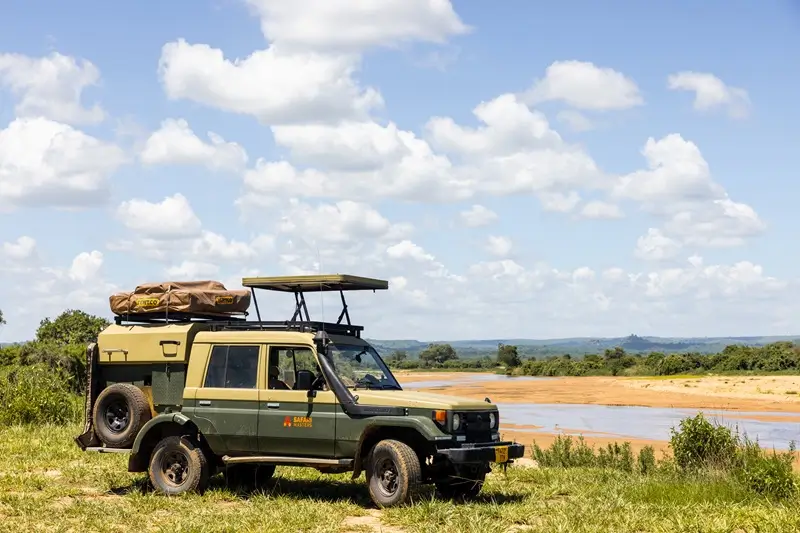
The Serengeti is a true year‑round safari destination, but the best time to visit Serengeti on a self drive depends on your priorities. For classic, dry‑season game viewing and easier self‑drive conditions, June to October is ideal. For the Great Migration calving season and dramatic predator action, late January to February is the top choice. For fewer crowds, greener landscapes, and lower prices, April–May and November offer fantastic value for flexible travelers.
At SafariMasters, we design self‑drive safaris around your priorities: river crossings in the north, calving on the southern plains, or relaxed, crowd‑free game viewing on a budget. In this guide, we break down the best time to visit the Serengeti by season, month, experience type, and traveler profile, with practical tips for self‑drivers.
Serengeti Seasons and Weather: Dry vs Wet Months Explained
The Serengeti lies close to the equator and has a relatively stable climate: warm days, cooler nights, and lots of sunshine. Instead of four distinct seasons, you have dry and wet periods, which shape wildlife behavior, road conditions, and your overall safari experience.
- Dry season (roughly June to October)
This is the main dry season. Days are generally sunny with clear skies, humidity is lower, and nights/mornings can be quite cool, especially in higher areas. Vegetation thins out, water sources shrink, and animals congregate around rivers and permanent water, making game viewing easier. Dust levels and corrugations on main tracks increase toward the end of the dry season. - Short rains (around November–early December)
Short, often localized storms turn the plains green again. Showers usually come in bursts rather than continuous rain. Temperatures stay warm, and the landscape quickly becomes lush, attracting the migrating herds back to the southern and central regions. - Long rains (roughly March–May)
This is the wettest period. You may encounter overcast skies, thunderstorms, and some days with continuous rain. The landscape is beautiful and green, but certain black‑cotton‑soil tracks can become muddy and challenging, especially for less experienced self‑drivers. On the plus side, you get fewer vehicles and lower prices.
Understanding these patterns helps you choose the best month for your priorities and decide how adventurous you want your self‑drive safari to be.
Best Time to Visit Serengeti for the Great Migration, River Crossings and Calving
Best Time to See the Serengeti Great Migration
The Great Migration is not a single event but a continuous, circular movement of over a million wildebeest and hundreds of thousands of zebras and gazelle. You can see the herds somewhere in or around the Serengeti all year, but you need to be in the right area at the right time.
A simplified pattern looks like this:
- December – March: Southern Serengeti and Ndutu area (calving on the short‑grass plains).
- April – June: Herds move northwest through central Serengeti toward the western corridor.
- July – October: Northern Serengeti and the Mara River region (crossings between Tanzania and Kenya).
- November: Herds start traveling back south through central Serengeti.
If your top goal is simply to see vast concentrations of wildebeest and zebra, we can position you in the region where the herds are most likely to be, based on your travel month and recent conditions.
Best Time to Witness Mara River Crossings in Serengeti
If you dream of dramatic Mara River crossings, the best period is usually from July to October, when large groups of wildebeest and zebra gather around the river in the northern Serengeti and into the Masai Mara in Kenya. Crossings are unpredictable – they can happen multiple times a day or not at all – and are influenced by weather, water levels, and the animals’ behavior.
We generally recommend:
- Plan at least 3–4 nights in the northern Serengeti during July–October.
- Stay close to the river areas (Kogatende, Lamai, or nearby) to maximize your chances.
- Build in patience and flexibility – you may spend hours waiting at crossing points.
SafariMasters can design self‑drive routes that bring you to the northern sector while helping you manage fuel, supplies, and daily driving distances.
Best Time to Experience Calving Season in Southern Serengeti
The calving season on the southern plains is one of the most intense wildlife spectacles in Africa. Typically peaking from late January through February, this is when hundreds of thousands of wildebeest give birth within a few weeks, attracting lions, cheetahs, hyenas, and other predators.
This period is excellent for:
- Dramatic predator–prey interaction.
- Photography with green grass, baby animals, and dramatic skies.
- Staying in or around Ndutu and the southern Serengeti.
Roads can occasionally be muddy, but for adventurous self‑drivers, this is one of the most rewarding times to visit.
Best Time for Big Five Game Viewing
For overall big game viewing (lion, elephant, buffalo, leopard, and sometimes rhino in neighboring areas like Ngorongoro), the dry season from June to October is optimal. With less vegetation and concentrated water sources, animals are easier to spot.
However, central Serengeti (Seronera) is one of Africa’s most reliable wildlife areas year‑round. Even in the green seasons, you can expect excellent sightings; you just need more patience and good guiding or careful self‑drive planning.
Serengeti Weather by Month: When to Go (January to December)
Use this section to match your travel dates to the likely conditions and highlights.
January
- Short dry season in many years, warm and often sunny.
- The great herds typically gather on the southern plains around Ndutu and Kusini, preparing for calving.
- Excellent for big herds, predators, and photography, with fewer crowds than peak holiday season.
February
- Peak calving month on the southern Serengeti / Ndutu plains.
- Thousands of calves are born each day, and predators are highly active.
- Can be busy and more expensive in prime locations, but it is one of the most rewarding times to visit for serious wildlife lovers.
March
- Long rains usually begin to build, bringing more cloud and showers.
- The landscape becomes beautifully green, with great birding and dramatic skies.
- The herds often start moving gradually northwest; fewer tourists mean quieter sightings and better value.
April
- One of the wettest months, with frequent rain and some days of continuous drizzle or storms.
- Lush, vibrant scenery; great for photography and birding.
- Fewer visitors and lower rates, but some tracks can be very muddy, which is a challenge for inexperienced self‑drivers.
May
- Rains may continue but often start to ease toward the end of the month.
- The herds typically push toward the western corridor and central areas.
- Still good value with fewer vehicles; excellent for travelers who don’t mind some rain in exchange for quiet camps and lodges.
June
- Start of the main dry season, with cooler nights and pleasant daytime temperatures.
- Grass height decreases, making animals easier to see; herds often in the western corridor and central Serengeti.
- A superb month for both guided and self‑drive safaris: good visibility, manageable roads, and moderate crowd levels.
July
- Classic dry‑season safari conditions with crisp mornings and clear skies.
- Many herds move into the northern Serengeti, and the first river crossings often start.
- High season: more vehicles and higher prices, but outstanding wildlife viewing.
August
- Peak northern Serengeti season, with frequent Mara River crossing activity.
- Days are dry and often dusty, with excellent visibility.
- One of the busiest and most expensive months; booking well in advance is essential.
September
- Still excellent in the north for herds and crossings, though slightly fewer visitors than August.
- Weather remains mostly dry and comfortable.
- Great month for those who prefer slightly less crowding but still want the river‑crossing action.
October
- Late dry season; some herds may linger in the north while others start drifting south.
- Temperatures rise and dust increases, but wildlife viewing remains strong.
- A good time for experienced self‑drivers and budget‑conscious travelers willing to accept warmer, dustier conditions.
November
- Short rains usually arrive, greening the plains and cooling the air.
- Herds typically move back through central Serengeti toward the south.
- Fewer tourists, attractive rates, and beautiful landscapes; showers can make some tracks slippery but usually not as challenging as the long‑rains period.
December
- Festive season, with more visitors around Christmas and New Year.
- The southern plains begin to fill with the Great Migration again if rains have been good.
- Pleasant temperatures, green scenery, and a great time for those combining Serengeti with other East African destinations.
Best Time to Visit the Serengeti for Self Drive
As SafariMasters, with over 14 years of experience providing self‑drive safaris in Tanzania, Kenya, and Uganda, we pay special attention to how weather and road conditions affect self‑drivers.
- Easiest months for self drive:
June to September are usually the most forgiving months. Roads are generally dry and firm, river levels are more predictable, and visibility is excellent. This reduces the risk of getting stuck and makes daily route planning simpler. - Wet‑season challenges (March–May):
During the long rains, black‑cotton‑soil sections can become slippery and even impassable, particularly in remote areas. This period is better suited to experienced 4×4 drivers who are comfortable with recovery techniques and flexible itineraries. - Green‑season rewards (November and parts of April/May):
If you have some 4×4 experience and want quieter camps, lower prices, and lush scenery, these shoulder periods can be fantastic. With the right technical advice, vehicle, and route planning from SafariMasters, a confident self‑driver can still enjoy an amazing trip.
When you plan a self‑drive Serengeti safari with us, we tailor your route, daily distances, and camp choices to the month of your visit, current road reports, and your driving experience.
Crowd Levels and Prices by Season
Crowd levels and pricing are closely tied to the seasons and Migration highlights.
- High season (roughly June–October and late January–February):
Demand peaks during the main dry season and the calving season. Park roads, especially around central and northern Serengeti, see more vehicles. Lodges, camps, and even self‑drive 4×4 rentals are more expensive and book out early. - Green/low season (mostly April–May, parts of November):
This is the quietest time. You may have sightings nearly to yourself, and accommodation and vehicle rates are often significantly lower. The trade‑off: more rain, some muddy tracks, and less predictable daily conditions. - Shoulder seasons (March, early June, late October, much of November–December):
These periods can be “sweet spots” offering a balance: relatively good weather, fewer visitors than peak season, and often better rates. With smart planning, shoulder seasons are ideal for budget‑conscious, flexible travelers.
SafariMasters can advise you on the exact dates and sectors where you can get the best value for your budget while still hitting your wildlife goals.
Wildlife, Photography and Light Considerations
For photographers and keen wildlife watchers, the quality of light and landscape is just as important as sightings.
- Dry season (June–October):
Clear skies and low humidity give strong, high‑contrast light. Early mornings and late afternoons offer beautiful golden tones. Dust in the air can create dramatic sunset silhouettes. Animals are more exposed, with less grass and foliage. - Green season (November–May):
The grass is greener, skies more dramatic, and clouds create softer, diffused light that many photographers love. Afternoon storms and rainbows add atmosphere. You’ll capture images with rich colors and backgrounds, especially around calving time. - Special interests:
- Predator action is intense during calving.
- Atmospheric landscape shots are excellent in green seasons.
- Clean, open backgrounds and long‑distance visibility are best in the dry.
When you book with SafariMasters, we can recommend travel windows and daily routes that match your photography goals, whether that’s river crossings, big cats, or wide‑angle landscape shots.
Best Time Based on Traveler Type
Choosing the best time also depends on who you are and how you like to travel.
- First‑time safari visitors:
June–September is often ideal. You get reliable game viewing, easier driving conditions, and predictable weather. This reduces stress and maximizes your chances of a “wow” first safari. - Best Time to Visit Serengeti for Families with Children:
School holidays often guide your dates. July–August and December are popular: dry, comfortable, and full of wildlife. You’ll need to book well in advance, but self‑drive can be a fun, flexible family adventure with the right vehicle and itinerary. - Best Time to Visit Serengeti on a Budget:
Shoulder and green seasons (March, April–May, November) are your best friends. With fewer visitors and lower rates on vehicles and camps, you can stay longer for the same budget. You must, however, be flexible with weather and road conditions. - Serious photographers and wildlife enthusiasts:
Late January–February (calving) and July–October (river crossings and dense concentrations of game) are prime. Many choose to repeat visit at different times to capture both green‑season drama and dry‑season clarity.
SafariMasters’ team can help you weigh these trade‑offs and choose dates that match your style and comfort level.
Best Time to Visit Serengeti – FAQs
What is the single best month to visit the Serengeti?
There is no universal “best” month, but for many first‑time visitors, August is a strong choice: excellent dry‑season wildlife, great chances of river crossings in the north, and relatively stable weather. However, if you care more about calving or fewer crowds, February or a shoulder month may suit you better.
Is April a bad month to visit the Serengeti?
No, April is not “bad,” but it is wet. If you want guaranteed sunshine and easy driving, it may not be ideal. If you prefer green landscapes, quiet camps, and don’t mind rain or occasional muddy sections, April can be a wonderful, good‑value month.
Can I visit the Serengeti in the rainy season?
Yes. With the right 4×4, flexible itinerary, and realistic expectations, visiting during the rains can be very rewarding. You’ll see fewer vehicles, dramatic skies, and lush scenery. For self‑drive, we strongly recommend planning with a specialist like SafariMasters to avoid problematic routes.
Is the Serengeti worth visiting in November or December?
Absolutely. Short rains green the plains, and the Great Migration often returns to the southern and central areas by late November/December. Temperatures are pleasant, and you can get fantastic game viewing without the peak‑season crowds of July–August.
How many days do I need in the Serengeti?
We recommend a minimum of 3 nights to appreciate the park, with 4–6 nights ideal if you want to explore more than one region (for example, combining central and northern Serengeti). Self‑drivers should consider extra nights to allow for relaxed travel between areas.
How to Choose the Best Time to Visit Serengeti with SafariMasters
To choose the best time to visit the Serengeti, think in three steps:
- Define your top priority
- Great Migration river crossings
- Calving and predator action
- Classic dry‑season game viewing
- Fewer crowds and lower prices
- Easiest conditions for self drive
- Match your priority to a time window
- River crossings: July–October
- Calving: late January–February
- Classic dry‑season safari: June–October
- Best value and quieter parks: April–May, November
- Easiest self‑drive: June–September
- Align with your schedule and budget
- Consider school holidays, flight costs, and how far in advance you can plan.
- Decide how many days you can spend in Serengeti and whether to combine it with Ngorongoro, Tarangire, or Kenya/Uganda.
As SafariMasters, we have been organizing self‑drive safaris across Tanzania, Kenya, and Uganda for over 14 years. We know how road conditions, park rules, and seasonal patterns affect your day‑to‑day experience on the ground.
When you’re ready, contact us with:
- Your preferred travel month or window.
- Your self‑drive experience level.
- Your budget and trip length.
We’ll recommend the best time and region of the Serengeti for your goals and design a custom self‑drive itinerary, complete with a fully equipped 4×4, route planning, and on‑trip support, so you can enjoy the Serengeti at exactly the right time for you.