
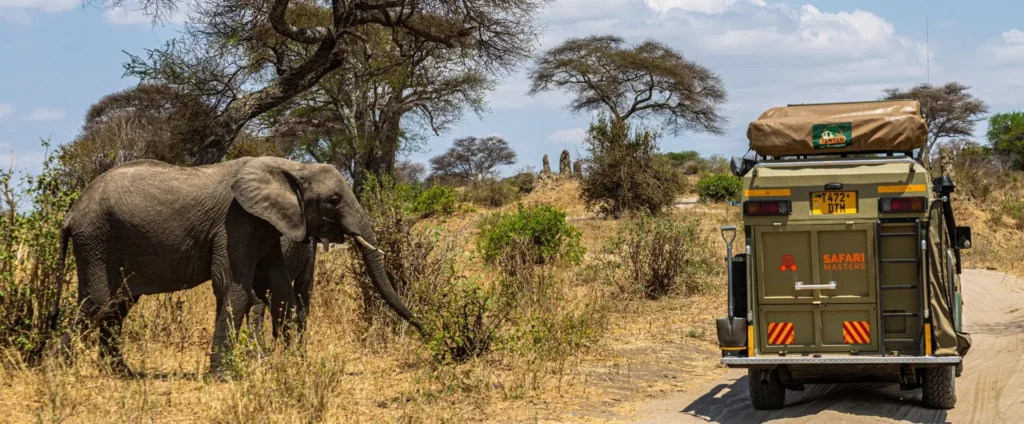
Choosing the best time to visit Tanzania will depend on your personal priorities and travel goals. You can enjoy incredible wildlife, beautiful beaches, and Mount Kilimanjaro throughout the whole year. However, different seasons will change how good the wildlife sightings are, what the weather feels like, and how your safari experience turns out overall.
When you understand Tanzania’s climate patterns, you can plan a trip that truly fits your interests. Your timing will also influence lodge prices, how busy the parks feel, and how easy the roads are to use in different regions.
This guide will walk you through each season so you can decide when to visit. Whether you want to follow the Great Migration, relax on the coast, or climb the mountain, your travel dates will matter. Coastal areas and highland regions will feel very different from each other in terms of climate. You can use this information to match your travel dates with your specific safari plans and dreams.
Tanzania Climate and Seasons
Tanzania experiences very different climates in different parts of the country, from humid coasts to cooler highlands and dry savannah. The coastal areas around Zanzibar stay warm and humid for most of the year, while highland towns like Arusha keep cooler temperatures even when other regions feel hot.
Key safari regions follow clear dry and wet seasons, and these cycles strongly shape wildlife behavior and sightings. Several important factors will influence the best time to go to Tanzania for your trip, including seasonal rains, grass growth, and wildlife movement.
Major wildlife migrations tend to follow rainfall and fresh grazing, so timing your visit around these patterns can really improve your viewing. Weather will also decide how rough the roads are, how clear the views feel, and how comfortable your game drives and activities become.
Crowd levels usually peak in certain popular months, which affects lodge availability and pushes prices up at in-demand camps and hotels. Safari and park costs often change between high season and low season, with some rates shifting by up to half.
Tanzania stays open for visitors all year, but the best month to visit Tanzania will depend on what you want to do. Dedicated safari travelers often choose different months than beach travelers or mountain climbers who want ideal trail and weather conditions.
Tanzania’s Four Main Seasons Explained
Dry Season (June to October), Peak Safari Time
The dry season represents the best time to visit Tanzania for safari adventures and wildlife viewing. Weather during these months brings sunny days, cool nights, and almost no rainfall. Wildebeest migration reaches the Serengeti and Ngorongoro during this spectacular period for visitors. Animals concentrate around remaining water sources, making wildlife spotting remarkably easy during game drives. Clear skies provide excellent visibility for photography and unobstructed views of distant landscapes. Prime game drive conditions allow access to remote areas without muddy road concerns. Additionally, malaria risk drops during dry months due to reduced mosquito breeding in stagnant water.
However, this peak season attracts the highest crowds to popular Northern Circuit parks. Lodge prices reach premium levels, and advance booking becomes essential for preferred accommodations. Despite higher costs, this period delivers consistently excellent wildlife sightings for first-time visitors. Photographers appreciate the golden light and dust-free conditions perfect for capturing stunning images. The Northern Circuit safaris shine brightest during these months with predictable weather and wildlife. Therefore, families and first-timers should prioritize June through October for reliable safari conditions.
Short Dry Season (December to February), Calving Season
This warm season follows the short rains and delivers sunny spells with pleasant weather. The short dry period brings the incredible wildebeest and zebra calving season excitement. Thousands of newborn animals attract predators, creating dramatic wildlife action across Southern Serengeti. Bird breeding season adds vibrant colors and active behavior to enhance your birdwatching. Fewer crowds visit compared to peak dry season, offering more intimate wildlife encounters. Lush green landscapes from recent rains create stunning photographic backdrops for your safari.
Some rain remains possible during this transitional period, particularly in November and early December. Mid-range prices make this season more affordable than peak months without sacrificing quality. Families appreciate the warmer weather and the fascinating calving spectacle that delights children. Budget travelers find excellent value during these months with good weather and wildlife. Southern Serengeti focus works perfectly as herds concentrate in specific calving grounds predictably. This season balances cost, weather, and wildlife viewing better than many travelers realize.
Long Wet Season (March to May), Green Season Low Season
Heavy daily rains characterize this low season, bringing high humidity and foggy mornings. Despite challenging weather, newborn animals from earlier months continue growing throughout the parks. Fewer tourists visit during wet months, providing incredibly private safari experiences for adventurous travelers. Bird migration peaks as European and Asian species arrive, delighting serious birdwatchers immensely. Lowest prices of the year emerge, with some lodges offering 50 percent discounts. Vibrant landscapes transform parks into lush green paradises unlike the dry season brown.
Muddy roads make some areas inaccessible, requiring flexibility in your planned itinerary adjustments. Some parks close certain sections or tracks during peak rainfall for safety and conservation. Flight delays can occur due to weather, affecting tight schedules and connection timing. Budget adventurers willing to brave rain find incredible deals and empty parks. Birdwatchers consider this the best time of year to visit Tanzania for avian diversity. Rain-tolerant explorers who prioritize solitude over guaranteed sunshine will love this season.
Short Wet Season (November to Early December), Shoulder Season
Intermittent showers characterize this warming transitional period between dry and wet seasons fully. Pre-migration herds begin moving south, and good deals from low season still linger. Balanced crowds and prices make this an attractive compromise for flexible travelers. Wildflowers bloom across the plains, creating carpets of color that photographers adore. November offers unpredictable rain patterns that can vary significantly year to year regionally.
Some tracks become impassable after heavy showers, limiting access to certain remote areas temporarily. This shoulder season works well for combining safaris with beach time in Zanzibar. Flexible dates help you adjust plans if weather becomes more challenging than anticipated. Therefore, travelers who can adapt quickly find excellent value during this transitional period.
Best Times by Top Tanzania Activities
Serengeti Wildebeest Migration
The Great Migration represents one of nature’s most spectacular wildlife events on the planet. River crossings occur from July through October at the Mara River with incredible drama. Thousands of wildebeest plunge into crocodile-infested waters, creating unforgettable photographic opportunities for visitors. Calving season happens in January and February, bringing predator feasts to Southern Serengeti. Newborn calves attract lions, cheetahs, and hyenas in concentrated areas for easy viewing. Avoid June when herds scatter widely during transition, making them harder to locate. Skip March through May when scattered rains disperse herds across vast territories unpredictably.
Ngorongoro Crater and Northern Parks
Ngorongoro Crater remains accessible year-round with resident wildlife populations that never migrate away. However, the best time to visit Serengeti and Ngorongoro runs from June through October. Dry crater floor conditions allow easier game viewing and better vehicle access everywhere. Tarangire National Park shines during dry season from June to October specifically. Massive elephant herds gather along the Tarangire River, creating spectacular congregations of hundreds. Lake Manyara offers excellent year-round viewing, though dry months concentrate animals around water sources.
Zanzibar and Beaches
Zanzibar’s tropical beaches welcome visitors throughout the year with warm Indian Ocean waters. The dry and cool period from June through September delivers perfect swimming conditions. Clear skies and calm seas make this ideal for snorkeling and diving adventures. Warm and hot months from December through March bring Indian Ocean temperature highs. Beach lovers enjoy excellent conditions during both periods depending on heat tolerance preferences. Avoid April and May when cyclone risk increases and rough seas limit water activities.
Mount Kilimanjaro Climbing
Success rates for summit attempts peak during stable, dry weather windows on Kilimanjaro. January through February offers excellent conditions with dry trails and stable weather patterns. July through October provides another prime window with minimal rain and clear summit views. Dry conditions reduce mud on trails and increase visibility for that iconic summit photo. Avoid March through May when rain and clouds obscure the summit regularly. November also brings challenging conditions with unpredictable weather affecting climbing success rates significantly.
Chimpanzee Trekking (Mahale and Gombe)
Western Tanzania’s chimpanzee parks offer primate trekking in remote, beautiful forest settings. Dry months from June through October provide the best trail conditions for trekking. Easier hiking allows better tracking of chimpanzee groups through dense forest without slipping. Shoulder months from November through March bring fewer people but wetter conditions overall. Rain does not prevent trekking, but muddy trails increase difficulty and reduce comfort levels.
Cultural Tours and Maasai Villages
Cultural interactions work well during the dry season for dust-free village visits. July features traditional Maasai gatherings and ceremonies that visitors can sometimes attend respectfully. January brings post-calving celebrations in pastoral communities following successful livestock breeding seasons. Dry months ensure better road access to remote villages and more comfortable walking conditions. Cultural tours combine well with wildlife safaris during any season depending on priorities.
Regional Best Times Breakdown
Different regions across Tanzania have varying optimal visiting periods based on unique characteristics. The Northern Safari Circuit, including Serengeti and Ngorongoro, shines from June through October. Additionally, January and February work excellently for migration calving season in this region. Clear wildlife sightings and dry weather make these months ideal for classic safaris. Avoid March through May when rain makes roads challenging in the Northern Circuit.
Tarangire and Lake Manyara perform best from June through October when animals concentrate. Elephant herds gather in massive numbers along rivers during peak dry months spectacularly. November brings short rains that can complicate access temporarily to certain park areas.
Ruaha and Selous in southern Tanzania also favor June through October for game viewing. Dry riverbeds reveal concentrated wildlife around remaining water sources for easy spotting. March through May brings floods that close some areas and disperse wildlife widely.
Zanzibar and Mafia Island beaches work well from June through September for perfect weather. December through March offers warm swimming conditions with excellent visibility for diving and snorkeling. April and May bring rough seas and cyclone risk that limits water activities.
Kilimanjaro and Arusha region favor January through February and July through October. Dry climbing conditions and clear views make these periods ideal for summit attempts. Wet seasons bring clouds that obscure views and muddy trails that reduce success.
Lake Natron flamingo viewing peaks from July through October during breeding season. Thousands of flamingos create pink carpets across the alkaline lake during this period. Off-season sees dry lake conditions with fewer flamingos present for viewing opportunities.
Weather Patterns and Month by Month Guide
January and February bring hot weather with short dry spells following December rains. Migration calving season creates outstanding wildlife viewing opportunities across Southern Serengeti plains. These months earn an 8 out of 10 rating for overall safari quality. March through May represents the rainy, green, and cheap season across most regions. These months rate around 5 out of 10 for general safari conditions but excellent for budget travelers willing to brave rain.
June through October delivers dry perfection with consistently excellent safari conditions everywhere. This period earns a perfect 10 out of 10 rating for traditional wildlife safaris. November brings transitional rains and unpredictable weather patterns across different regions variably. This month rates about 6 out of 10 depending on specific timing and location. December warms up nicely but sees holiday crowds that increase prices and reduce availability. This month scores around 7 out of 10 for balanced conditions and costs.
Altitude effects create cooler temperatures in highland areas throughout the entire year consistently. Arusha maintains pleasant temperatures around 20 degrees Celsius year-round regardless of season. Coastal areas stay consistently warmer and more humid than inland safari regions always.
Practical Considerations for Timing Your Trip
Crowds and Pricing
Peak season from June through October requires booking 6 to 12 months ahead. Rates during peak months can double compared to low season prices at identical lodges. Low season from March through May offers last-minute deals with 50 to 70 percent savings. Holidays around Christmas and Easter create price spikes everywhere regardless of typical seasonal patterns.
Lodge rates vary dramatically between high season, shoulder season, and green season periods. Safari costs fluctuate based on demand, with peak dry season commanding premium pricing. Flights to Tanzania increase during peak months, particularly around holidays and summer vacations. Green season brings low lodge rates while safari costs remain medium since operations continue. Calving season sees medium lodge rates with high flights during holiday periods in December and January.
Health and Safety
Malaria risk drops during the dry season but remains present, so use prophylaxis always. Roads become impassable during wet season in some areas, making a 4×4 vehicle essential. Yellow fever vaccination is required for entry, particularly when visiting southern parks and regions. Travelers should consult healthcare providers about recommended vaccinations before departing for Tanzania.
Packing Tips by Season
Dry season packing should include layers for cool mornings and warm afternoons. Bring quality binoculars for wildlife spotting and strong sunscreen for intense equatorial sun. Wet season requires waterproof rain gear and boots for muddy conditions everywhere. Pack insect repellent during rainy months when mosquito populations increase significantly in all regions.
Pros and Cons Summary
Wildlife viewing rates excellent during dry season with concentrated animals at water sources. Perfect weather defines the dry season with minimal rain and comfortable temperatures throughout. However, high crowds fill popular parks and lodges during peak months from June through October. Costs reach their highest during this period, requiring significant budget allocation for accommodation.
Green season offers good wildlife viewing, particularly newborn animals from earlier breeding seasons. Rainy weather characterizes this period, creating challenges but also dramatic skies and landscapes. Low crowds provide private safari experiences with entire parks seemingly to yourself. Low costs make this season incredibly attractive for budget-conscious travelers seeking authentic safaris.
Calving season delivers outstanding wildlife viewing with dramatic predator and prey interactions daily. Weather remains warm with mild rain, creating generally pleasant conditions for game drives. Medium crowds strike a balance between busy peak season and empty green season. Medium to high costs reflect holiday timing during December and January particularly.
Roads remain excellent during dry season, allowing access to remote areas without difficulty. Poor road conditions during green season limit accessibility and require experienced drivers with proper vehicles. Good roads during calving season support easy movement between different wildlife viewing areas.
Who Should Visit When
Families and beginners should target June through October for reliable weather and consistent wildlife. Budget travelers will love March through May when empty parks and discounted rates prevail. Photographers should visit July through September for golden light and dust-free conditions. Adventure climbers find January through February ideal for Kilimanjaro attempts with stable weather. Beach and safari combination travelers should consider December through March for optimal conditions.
Final Recommendations
The ultimate best time to visit Tanzania for safari runs from July through September. Classic safaris during these months deliver everything visitors hope to experience in Africa. However, personalized picks depend entirely on your specific goals, interests, and budget constraints. Shoulder months like late May and early November offer excellent balance between crowds and weather. These transitional periods provide good value without sacrificing too much quality or wildlife viewing.
Always check annual migration maps before booking to align your dates with specific wildlife events. Weather apps and forecasts help you prepare appropriately for conditions during your planned travel dates. Flexibility in your schedule allows you to adapt to changing conditions and maximize opportunities. Therefore, the best time to visit Tanzania for safari ultimately depends on what matters most to you personally. At Safari Masters, we are helping self drive travellers around the world to make their tanzania self drive adventure memoriable. Plan your trip with us.